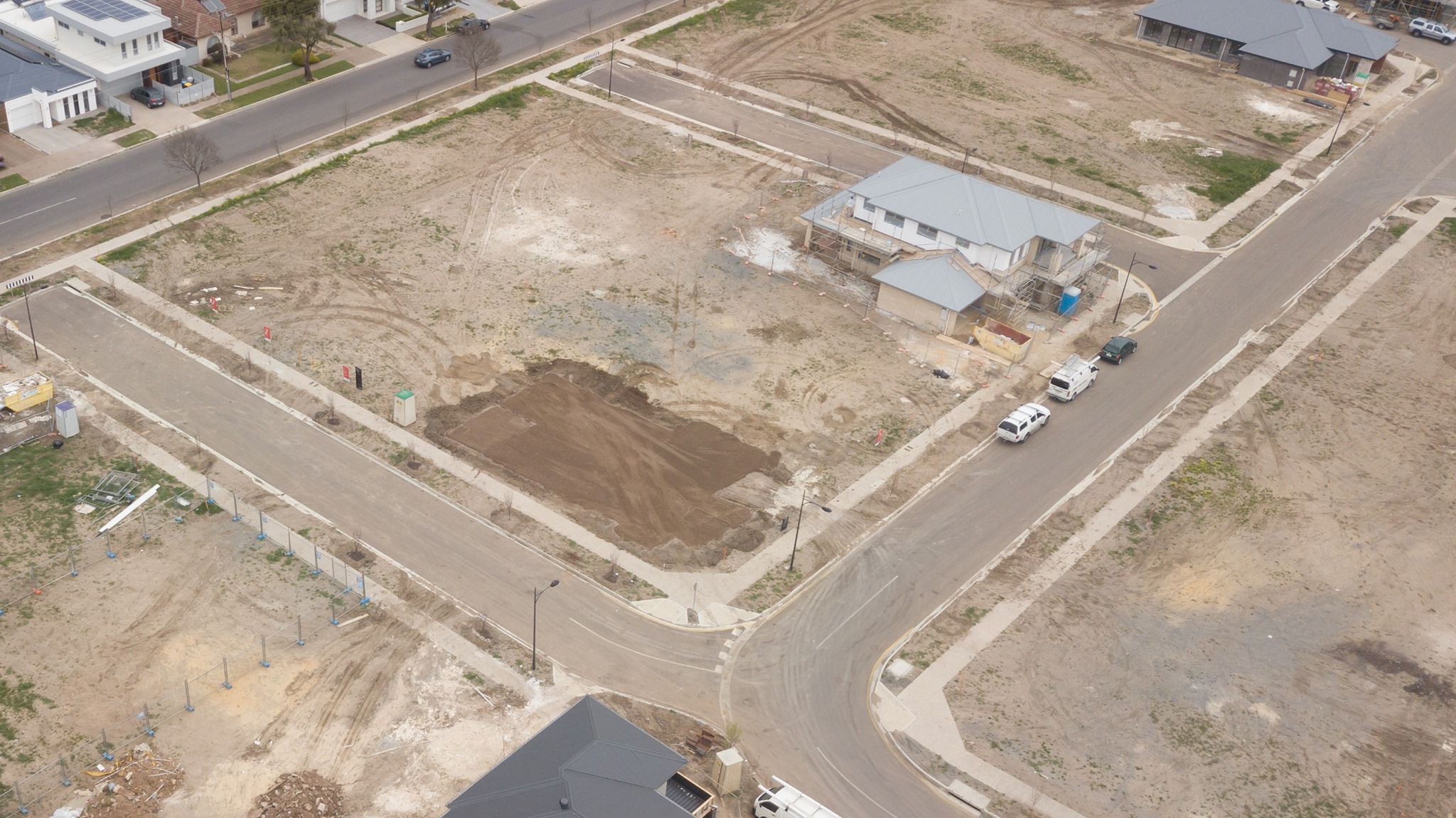
The Growth Areas Infrastructure Contribution (GAIC) is a state-imposed levy that funds roads, schools and community infrastructure in Melbourne's five designated growth areas: Casey, Cardinia, Hume, Melton, Whittlesea, plus part of Mitchell Shire. In 2026 it sits at roughly $115,000 per hectare (indexed annually to CPI). For a typical 400 m2 growth-corridor block, that translates to $4,600 apportioned to your specific lot - unless you are the first to trigger it, in which case it can be much more.
When GAIC gets triggered
- The first significant land-use change on a contribution-area parcel (subdivision, statement of compliance, plan of subdivision registration, or specified building works).
- Once triggered, the liability crystallises. Payment options: full up-front, staged, or deferred until subdivision.
Who pays - developer, builder, or buyer
The legal liability sits with the landowner at the trigger point. In practice: (1) developers pay it up-front for large master-planned estates and roll the cost into the land price; (2) small-lot developers sometimes defer it and pass a proportional charge to individual buyers at settlement; (3) buyers who purchase raw contribution-area land direct pay it themselves when they subdivide or build.
How to check your exposure BEFORE signing
- Ask your conveyancer to check the Section 32 vendor statement for GAIC status - it must be declared.
- If the land is in a contribution area, ask specifically whether GAIC has been paid, deferred, or is payable at settlement.
- If deferred, ask how the deferral works and whether the trigger has passed to you as buyer.
- Get the amount and payment schedule in writing.
The three deferral options
- Deferred to 'staged payment': Interest-bearing (indexed to state loan rate). Payment across up to 20 years. Common for larger developments.
- Deferred to 'work-in-kind': Developer builds infrastructure (road, park) in lieu of cash. Rare for individual buyers.
- Deferred to subsequent land-use: Liability stays with title until the next trigger event.
Areas commonly caught
Wyndham (Werribee, Truganina, Tarneit, Point Cook), Casey (Cranbourne, Clyde, Officer), Cardinia (Officer, Pakenham), Hume (Craigieburn, Mickleham, Kalkallo, Sunbury growth zone), Whittlesea (Wollert, Doreen, Mernda). Melton is the newest addition and covers Rockbank, Aintree, Fraser Rise, Cobblebank.
Where BuildPilot fits
We are not a conveyancer or town planner. Our growth-corridor comparison covers cost differences between the three most common councils. Always ask your conveyancer specifically about GAIC status before you sign any growth-corridor land contract.