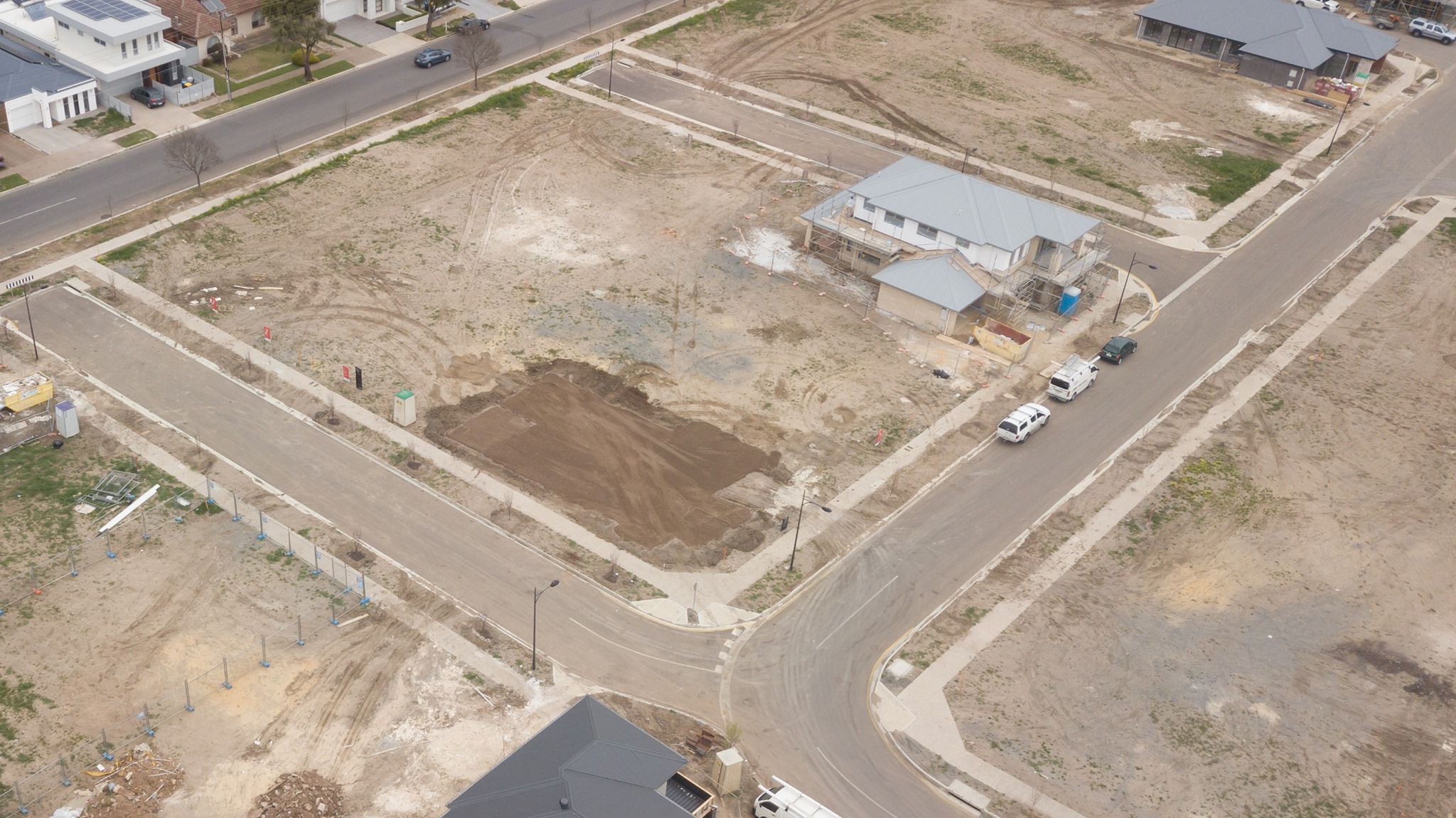
If you are building a first home within reach of Melbourne in 2026, you are almost certainly looking at Wyndham, Casey or Melton. All three sit on the fringe of the metro, all three run active Precinct Structure Plans releasing thousands of new lots each year, and all three offer volume-builder homes at $460,000 to $620,000 on serviced land. Here is how they actually compare.
Block size + price
Wyndham (west - Tarneit, Truganina, Point Cook, Mambourin, Manor Lakes). Average lot 300-500 m2. Median house-and-land package $560k-$720k. Fastest growth of the three but also the most stretched community infrastructure - Werribee Hospital + local schools are notably over-capacity.
Casey (southeast - Clyde North, Cranbourne, Officer, Berwick). Average lot 350-550 m2. Median house-and-land package $580k-$740k. More established suburban feel than Wyndham, better access to secondary schools, longer commute to CBD.
Melton (northwest - Melton, Strathtulloh, Diggers Rest, Fraser Rise). Average lot 400-550 m2. Median house-and-land package $500k-$650k. Cheapest of the three, biggest blocks, most affordable entry point. Trade-off is the smallest existing employment centre - most residents commute to Werribee or the CBD.
Planning + permit path
All three run PSP-controlled estates where most standard project-home designs are pre-approved. If your builder sticks to the estate's approved design range, you go straight to building permit (2-4 weeks) with no planning permit needed. Custom deviations trigger planning-permit reviews of 8-16 weeks. Wyndham is currently fastest for both paths, Casey slowest by 2-3 weeks.
Section 173 agreements
Every new estate lot in all three councils carries a Section 173 agreement registered on title. Common restrictions: minimum home value, facade materials, roof pitch (usually 22-27 degrees), driveway width, and landscaping completion within 6-12 months. Your conveyancer must review the Section 173 before you sign land contract. Details vary estate by estate - read every line.
Reactive clay
All three council areas sit on reactive clay soils. Expect $8k-$25k extra in engineered piering or waffle-raft footings vs a flat non-reactive site. Wyndham Vale is the worst of the three, followed by Cranbourne (Casey), then Melton. Insist on a geotech report and engineer sign-off before signing any builder contract.
Which one wins
- Best value + biggest blocks: Melton
- Fastest permit path: Wyndham
- Best community amenity for families: Casey
- Best long-term capital-growth thesis: Wyndham (best transport connections + fastest population growth)
Follow-on reading
Our Melbourne build cost guide covers price per m2 by build class. Our Hume council guide covers the fourth-fastest-growing corridor (Craigieburn, Mickleham, Sunbury). Every VIC suburb page is available from our Melbourne all-guides index.