Building a home involves dozens of coordinated steps. Understanding what happens when helps you track progress, spot potential issues early, and know when key decisions need to be made.
Every build is different, but most Adelaide project homes follow a similar sequence. Here's what to expect from contract signing through to getting your keys.
Pre-Construction Phase
Before construction starts, there's significant work happening behind the scenes. This phase typically takes 2-4 months.
Design and Selections (4-8 weeks)
Finalise your floor plan, facade, and internal selections. You'll visit selection studios to choose colours, finishes, flooring, tiles, and fixtures. Take your time here as changes during construction are expensive.
Working Drawings and Engineering (2-4 weeks)
Your builder produces detailed construction drawings based on your selections and site surveys. Engineering is completed for your specific soil conditions and site requirements.
Council/Certifier Approval (2-6 weeks)
Building approval is obtained through council or a private certifier. Timeframes vary depending on whether your build triggers development assessment or qualifies for a streamlined approval path.
Construction Stages
Once approvals are in place, construction begins. Each stage is tied to a progress payment.
Stage 1: Site Works and Base
2-4 weeksSite is cleared and levelled. Services are connected. Footings are excavated and poured, followed by the concrete slab. This is when any unexpected site costs become apparent.
Stage 2: Frame
2-4 weeksWall frames go up and the roof trusses are installed. Your home takes shape. A frame inspection ensures everything is built to plan before walls are enclosed.
Stage 3: Lockup
4-8 weeksExternal cladding (brick, render, or weatherboard) is completed. Roof is finished. Windows and external doors are installed. The building is now weather-tight and secure.
Lock-up is your last easy chance to plan anything that needs cabling or power. Two decisions are far cheaper to make now than to retrofit after handover:
Lock-up is the moment to plan anything that needs cabling or power. These are the products to design in now — far cheaper than retrofitting after handover.
Securing your home
From Arlo

For Ultra (3rd Gen), Ultra XL (3rd Gen), Pro (6th Gen), and Pro XL (6th Gen) Cameras
XL Rechargeable Battery and USB-C Housing

For Ultra, Ultra 2, Ultra (3rd Gen), Pro3, Pro 4, Pro 5S 2K, & Pro (6th Gen) Cameras
Rechargeable Battery

Plug-In Powered Camera
Essential Pan Tilt Security Camera
Designing in backup power
From EcoFlow


Some links here are affiliate links. BuildPilot may earn a small commission if you buy through them, at no extra cost to you. It never changes what you pay, and you always purchase directly from the retailer. Learn more.
Stage 4: Fixing
4-6 weeksInternal work begins. Plumbing and electrical rough-in are completed. Insulation is installed. Plasterboard goes up. Internal doors, architraves, skirting, and cabinetry are fitted. Tiling and wet area waterproofing are completed.
Cabinetry is made to measure and the benchtop is templated to your sink, so the kitchen fixtures have to be decided at the fixing stage, not after.
Planning your kitchen fit-out before cabinetry installAt the fixing stage your kitchen and bathroom fixtures are being installed. These are the pieces to lock in so they land with the trades.
Renovating a bathroom
Suggested by BuildPilot suppliers

Curved Bases
ELEGANT SHOWERS Durable Acrylic Fiberglass Curved Shower Base, 900 x 900mm / White Plastic
from Elegant Showers

Bathroom Accessories
Poseidon Assist Grab Rail 870×700mm Hand Bar, Stainless Steel 304, Left, Bathroom Assistive Device for Safety and Accessibility
from myHomeware

Hardware > Plumbing > Plumbing Fixtures > Sinks > Bathroom Basins
Maputo Medium Riverstone Wash Basin, Natural
from Schots Home Emporium
Renovating a kitchen
From myHomeware

Outdoor Kitchen Sinks
Meir 440x440x200mm OUTDOOR Stainless Steel 316 Single Bowl Kitchen Sink Top/Flush/Under Mount for

Standard Sink Mixers
ACL-Ikon IKON Clasico Solid Brass Sink Mixer With Brass/Ceramic Handle In Various Colour Gold / WELS Approved, 5 Star, 20 Year Warranty

Filter Taps
Puretec Tripla Elite-20 3-Way Mixer Tap with Filter System, Gunmetal Grey, Stainless Steel Grey / PureMix Z7 1 Micron Water (63500L)
Some links here are affiliate links. BuildPilot may earn a small commission if you buy through them, at no extra cost to you. It never changes what you pay, and you always purchase directly from the retailer. Learn more.
Stage 5: Completion
2-4 weeksFinal finishes including painting, flooring, and fit-off of electrical and plumbing fixtures. Appliances are installed. External works like driveway, paths, and landscaping are completed. Final clean and touch-ups.
Now that the windows, architraves and flooring are in, it is the right moment to measure for curtains and blinds and get them ordered - so your rooms are dressed on move-in day instead of left behind bare glass for weeks.
Planning window furnishings before handoverWith windows, floors and painting done, it is time to measure and order the finishing layer so your rooms are dressed on move-in day.
Dressing your windows
From Curtain Wonderland


Lighting your new home
Suggested by BuildPilot suppliers

Lighting
Ex Display - Miles Natural Barstool - Light Beige - Last One by Interior Secrets - AfterPay Available
Pendants, lamps and ceiling lights
from Interior Secrets

Pendants
Aero Metal Pendant Light - Satin Chrome
Pendants, lamps and ceiling lights
from Living Styles

Home & Garden > Lighting > Lighting Fixtures > Ceiling Light Fixtures
St Kilda Deco Pendant Light, Copper & Brass
Pendants, lamps and ceiling lights
from Schots Home Emporium
Some links here are affiliate links. BuildPilot may earn a small commission if you buy through them, at no extra cost to you. It never changes what you pay, and you always purchase directly from the retailer. Learn more.
Handover and Beyond
Practical Completion Inspection: Walk through your finished home with the builder. Note any defects or incomplete items on a list. Minor items shouldn't hold up handover, but significant issues should be addressed first.
Certificate of Occupancy: Your certifier issues this once final inspections are passed. You can't legally move in without it.
Key Handover: Once final payment is made and all paperwork is complete, you get your keys. The builder will walk you through how everything works.
Defects Period: Most contracts include a 13-week maintenance period. Any defects that emerge should be reported to your builder promptly. Structural warranties typically run for 6 years.
Keys in hand. These are the pieces that turn a finished house into a liveable home from the first night.
Keeping your new home effortlessly clean
From ECOVACS

DEEBOT Robot vacuums and mops
DEEBOT T30S PRO White Robot Vacuum & Mop with AI (Mapping, Anti-Tangle, Edge)
Makes big clean-up jobs quick and easy

DEEBOT Robot vacuums and mops
DEEBOT N20 PLUS Black Robot Vacuum & Mop with Mapping (Anti-Tangle, Self-Empty, Pet)
Makes big clean-up jobs quick and easy

DEEBOT Robot vacuums and mops
DEEBOT N20 Black Robot Vacuum & Mop with Mapping (Anti-Tangle, Voice Control, App)
Makes big clean-up jobs quick and easy
Securing your home
From Arlo
For Ultra (3rd Gen), Ultra XL (3rd Gen), Pro (6th Gen), and Pro XL (6th Gen) Cameras
XL Rechargeable Battery and USB-C Housing
For Ultra, Ultra 2, Ultra (3rd Gen), Pro3, Pro 4, Pro 5S 2K, & Pro (6th Gen) Cameras
Rechargeable Battery
Plug-In Powered Camera
Essential Pan Tilt Security Camera
Keeping hard floors spotless
From Hizero
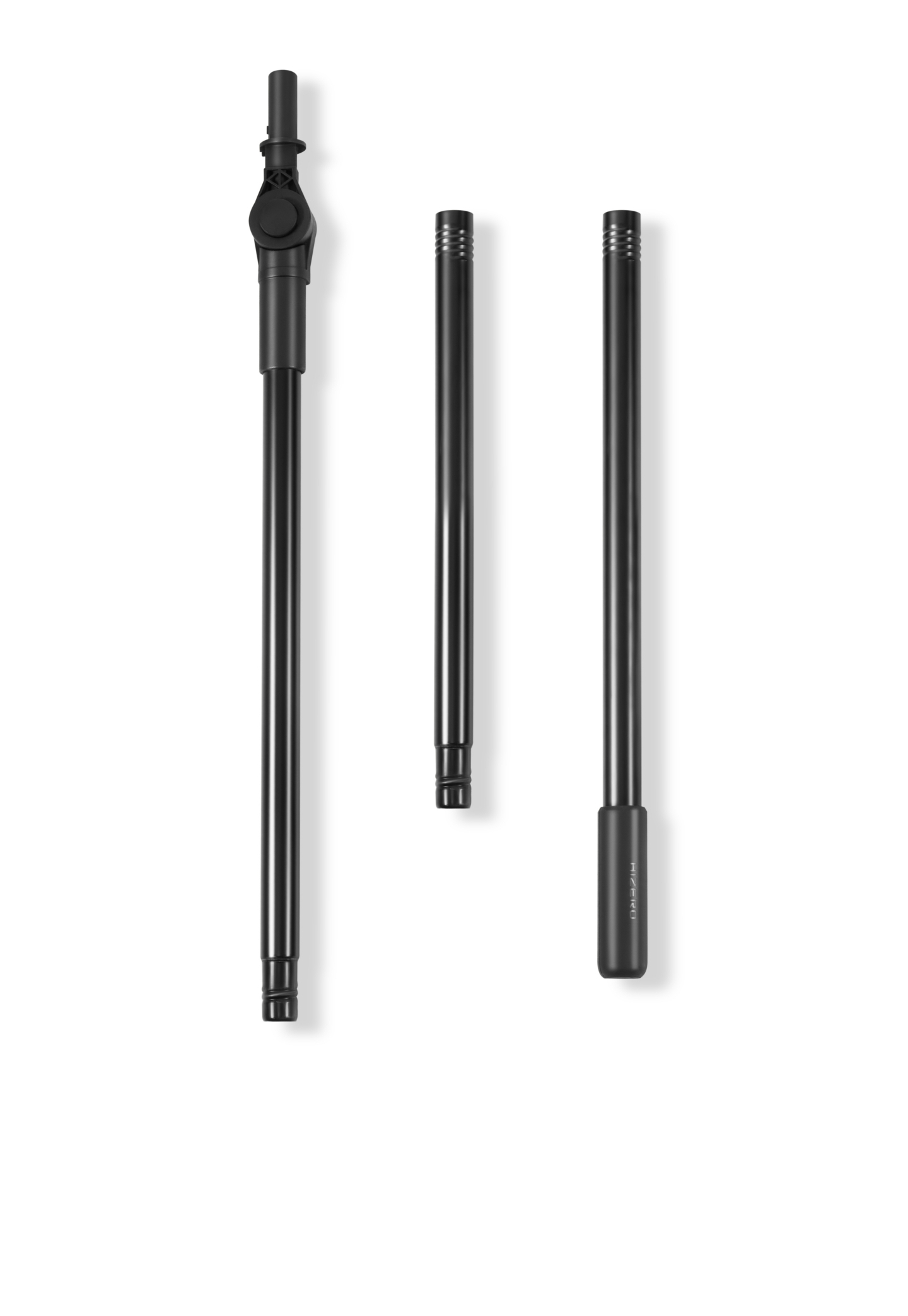
Multi-Surface Cleaners
H100 Extension Pole
Makes big clean-up jobs quick and easy
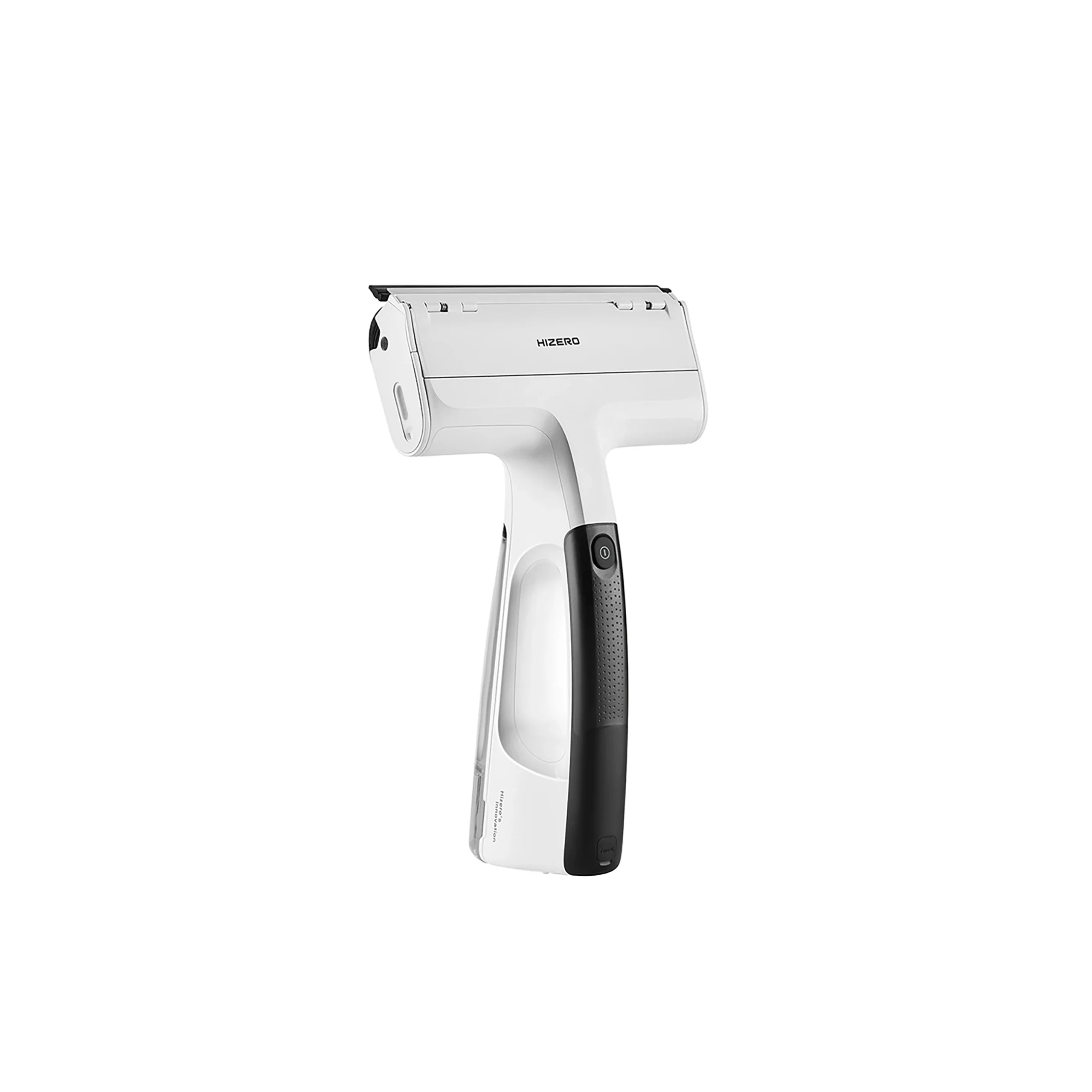
Multi-Surface Cleaners
H100 Handheld Multi-Surface Cleaner
Makes big clean-up jobs quick and easy
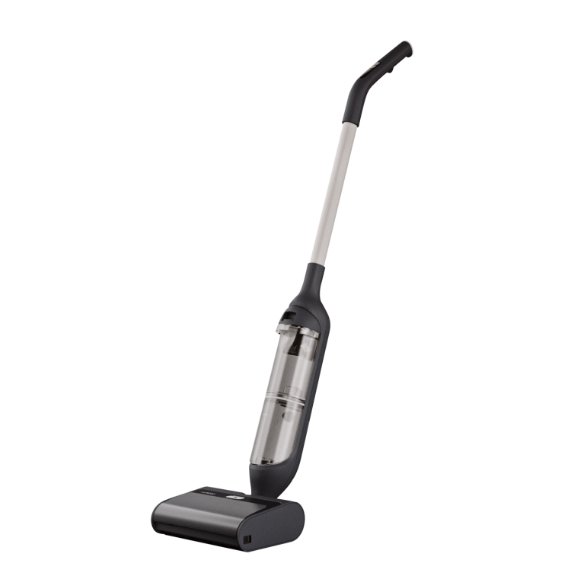
Hard Floor Cleaners
HIZERO F300 Cordless Hard Floor Cleaner
Makes big clean-up jobs quick and easy
Setting up the bedroom
Suggested by BuildPilot suppliers

Bedroom Vanities
Advwin Dressing Table Stool Set 12 LED Bulbs
Beds, bedsides and storage for the bedroom
from Advwin

Bedding
Standard Weight Quilt White
Mattresses, pillows and bedding for better sleep
from Curtain Wonderland

Quilts & Comforters
Alpaca Four Seasons Quilt
Mattresses, pillows and bedding for better sleep
from Eiderdown
Furnishing your living and dining spaces
Suggested by BuildPilot suppliers

Entertainment Centers & TV Stands
Advwin LED TV Unit Cabinet Entertainment Unit
Sofas, coffee tables and storage for the living room
from Advwin

Outdoor Lounge
LONDON RATTAN 1 Seater Outdoor Sofa Modular Lounge Chair, Grey
Relax and entertain outdoors
from Edisons

Furniture
Heizer 65cm Oak Bar Stool - Coastal Beige by Interior Secrets - AfterPay Available
Dining tables, chairs and bar stools
from Interior Secrets
Setting up a home office
Suggested by BuildPilot suppliers

Desks
Advwin Computer Desk Study Table 120cm Black
Desks, chairs and storage for a home office
from Advwin

Storage Lockers & Cabinets
Zia 1.83m (H) Ash Curve Cabinet - Natural by Interior Secrets - AfterPay Available
Desks, chairs and storage for a home office
from Interior Secrets

Office Chairs
Conimbia Premium Leather Replica Eames Office Chair, Mid Back, Black / Sliver
Desks, chairs and storage for a home office
from Living Styles
Furnishing the bedroom
Suggested by BuildPilot suppliers

Bedroom Vanities
Advwin Dressing Table Stool Set Makeup Dresser
Beds, bedsides and storage for the bedroom
from Advwin

Bed Frames
Betsy Fabric Single Bed Frame - Pearl Grey with Storage by Interior Secrets - AfterPay Available
Beds, bedsides and storage for the bedroom
from Interior Secrets

Bedside Tables & Nightstands
Tasmania Mahogany Timber Bedside Table, Right, Mahogany
Beds, bedsides and storage for the bedroom
from Living Styles
Kitting out the kitchen
Suggested by BuildPilot suppliers

Refrigerators
GECKO 95L Portable Upright Fridge, 12V/24V for Motorhome, Caravan, Black
Cookware, knives and kitchen tools
from Edisons

Transform your space with Daisy Fields, a dazzling artwork by Eleanor Baker, beautifully printed and framed by Gioia Wall Art. With its vibrant colors and idyllic imagery, this piece brings a touch
Daisy Fields, By Eleanor Baker by Interior Secrets - AfterPay Available
Cookware, knives and kitchen tools
from Interior Secrets

Saucepans
Scanpan Impact Saucepan with Lid, 18cm
Cookware, knives and kitchen tools
from Living Styles
Some links here are affiliate links. BuildPilot may earn a small commission if you buy through them, at no extra cost to you. It never changes what you pay, and you always purchase directly from the retailer. Learn more.
How BuildPilot Helps
- *Track progress and flag any delays early
- *Attend key inspections on your behalf if needed
- *Review variations and change requests
- *Assist with practical completion inspection
Common Questions
Most project homes take 8-12 months from slab pour to handover. Custom homes typically take 12-18 months. Add 3-6 months before construction starts for design, approvals and site preparation. Total timeline from signing to moving in is usually 12-18 months for project homes, longer for custom builds.
Related Guidance
Need Help During Your Build?
Independent support from start to finish.