Prime Costs

By George Giannakakis · B.Arch.Studies · M.Arch (UniSA) · RLA300580
Last reviewed: · How we research
Prime Costs explained in detail
An allowance in a building contract for the supply and delivery of a specific fixture, fitting, or material (e.g., kitchen taps, bathroom fixtures, carpet) not yet selected or priced at contract signing. Prime costs (PCs) typically exclude installation labour, which is covered separately. If you spend more than the allowance, you pay the difference; if less, you receive a credit.
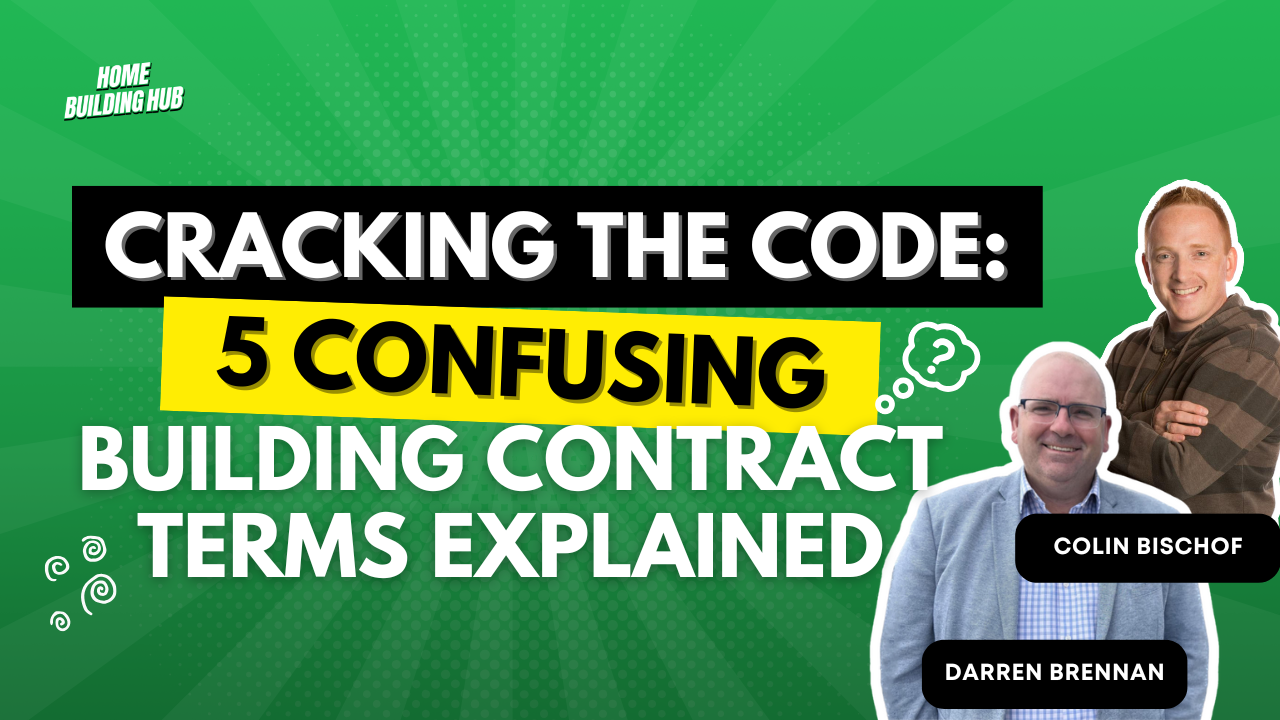

Building contracts can be full of hidden traps and confusing jargon. In this episode, we break down the five clauses that trip up most homeowners - covering prime costs, provisional sums, payment schedules, special conditions, build time frames and utility connections.
Watch full episodeRelated Terms
Frequently Asked Questions
Common questions about prime costs
A Prime Cost (PC) item is an allowance in your contract for specific fixtures or materials you haven't chosen yet (e.g., tapware, tiles, appliances). The builder includes an estimated amount. If you choose items that cost more, you pay the difference plus the builder's margin (typically 20-30%).
Contract and legal information
Building contracts, dispute resolution, and consumer law are complex and vary by state and contract type. The information here is general in nature and may not apply to your situation. For advice about your specific contract, rights, or dispute, speak with a building lawyer, your state’s consumer protection body, or a licensed building consultant.
Cost figures are indicative onlyUpdated February 2026
All prices and cost ranges mentioned are approximate, based on Adelaide market conditions at time of writing, and may not reflect current pricing. Actual costs depend on your specific site, design, builder, materials, and market conditions. Project-specific quotes from qualified professionals are needed for accurate pricing.
More Terms in Contract Terms
Verify against the binding rules in your state
BuildPilot is an independent Australian building platform, we publish guidance, we don't hold a building licence. Every Australian residential build must comply with the National Construction Code plus state-specific Acts and consumer-protection law. The authorities below are the primary sources of truth for the rules that actually apply to your project.
National
The primary national set of technical building standards that every Australian build must comply with. Volume 2 covers Class 1 & 10 buildings (most homes).
Specific material, product and method standards (e.g. AS 3700 masonry, AS 1684 timber framing) referenced by the NCC.
National peak body for residential builders. Publishes the most widely used home-building contracts and consumer guidance.
National peak body for general builders. Publishes commercial and residential contracts and industry guidance.
By state & territory
Links above open the public website of each authority. BuildPilot is not affiliated with these bodies and does not act on their behalf. Information on this page is general - check the current edition of the NCC and the relevant state Act for binding requirements.
We use cookies to improve your experience. Cookies on. Learn more