Dunny

By George Giannakakis · B.Arch.Studies · M.Arch (UniSA) · RLA300580
Last reviewed: · How we research
"Dunny gets serviced Tuesdays, do not park in front of it."
Dunny explained in detail
A toilet. On site it is the portaloo, which the builder must provide under WHS rules. In an old house the dunny was the outside toilet down the back, often the last thing connected to sewer in the 1960s and 70s.
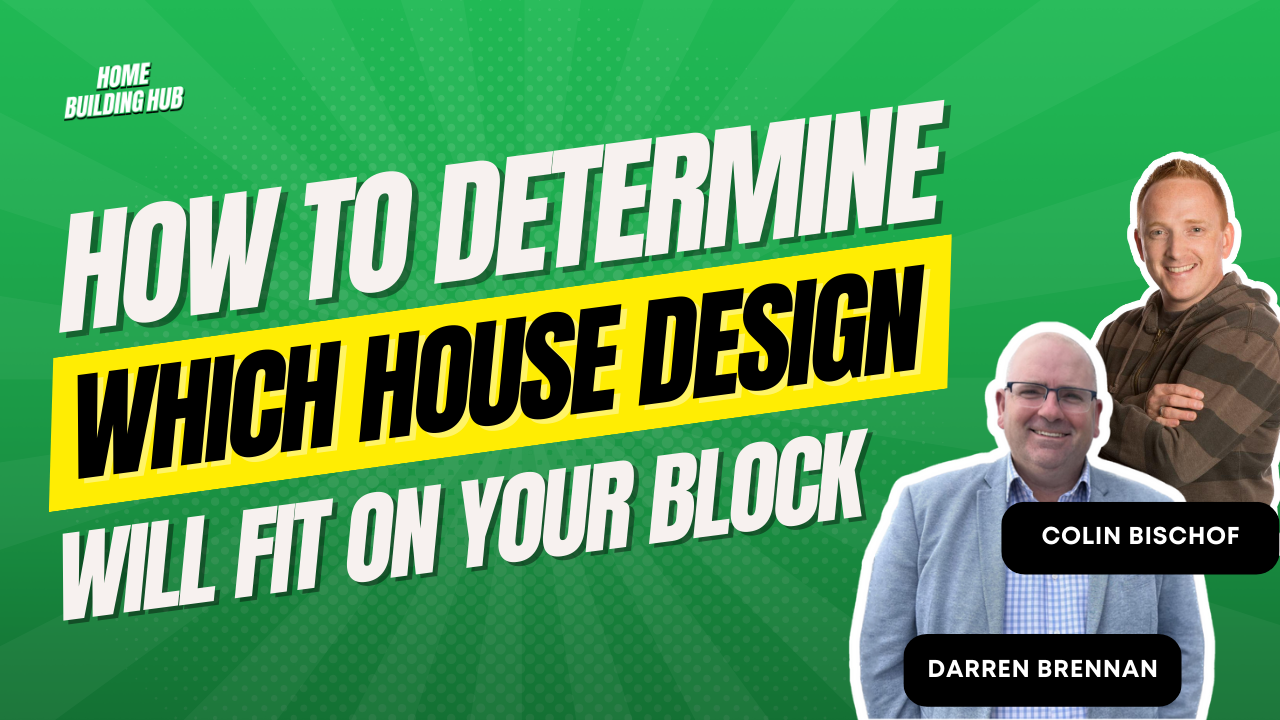
In this episode, we provide a quick guide to help you work out if a house design will fit on your block. We explain front setbacks, side setbacks and how to work out your backyard length, along with an insight into the different codes in Victoria and how different setbacks apply based on your lot size.
Watch full episodeRelated Terms
More Terms in Tradie Slang
Verify against the binding rules in your state
BuildPilot is an independent Australian building platform, we publish guidance, we don't hold a building licence. Every Australian residential build must comply with the National Construction Code plus state-specific Acts and consumer-protection law. The authorities below are the primary sources of truth for the rules that actually apply to your project.
National
The primary national set of technical building standards that every Australian build must comply with. Volume 2 covers Class 1 & 10 buildings (most homes).
Specific material, product and method standards (e.g. AS 3700 masonry, AS 1684 timber framing) referenced by the NCC.
National peak body for residential builders. Publishes the most widely used home-building contracts and consumer guidance.
National peak body for general builders. Publishes commercial and residential contracts and industry guidance.
By state & territory
Links above open the public website of each authority. BuildPilot is not affiliated with these bodies and does not act on their behalf. Information on this page is general - check the current edition of the NCC and the relevant state Act for binding requirements.
We use cookies to improve your experience. Cookies on. Learn more