

Reverse Cycle vs Evaporative Cooling: Whats Right for Your Home?

Reverse Cycle vs Evaporative Cooling: Whats Right for Your Home?

By , Editor and Founder, BuildPilot. M.Arch, Licensed Real Estate Agent (RLA300580), HIA Industry Judge. Last reviewed: .

Reverse Cycle vs Evaporative Cooling: Whats Right for Your Home? - BuildPilot Adelaide Building Guide

Reverse Cycle vs Evaporative Cooling: Whats Right for Your Home?

Tips & Advice2 min read
All articles
George Giannakakis

By George Giannakakis · B.Arch.Studies · M.Arch (UniSA) · RLA300580

Last reviewed: · How we research

Updated

When it comes to choosing the best cooling system for your home, the decision often comes down to reverse cycle vs evaporative. But what are the differences between the two? Let's take a closer look.

Reverse Cycle vs Evaporative Cooling

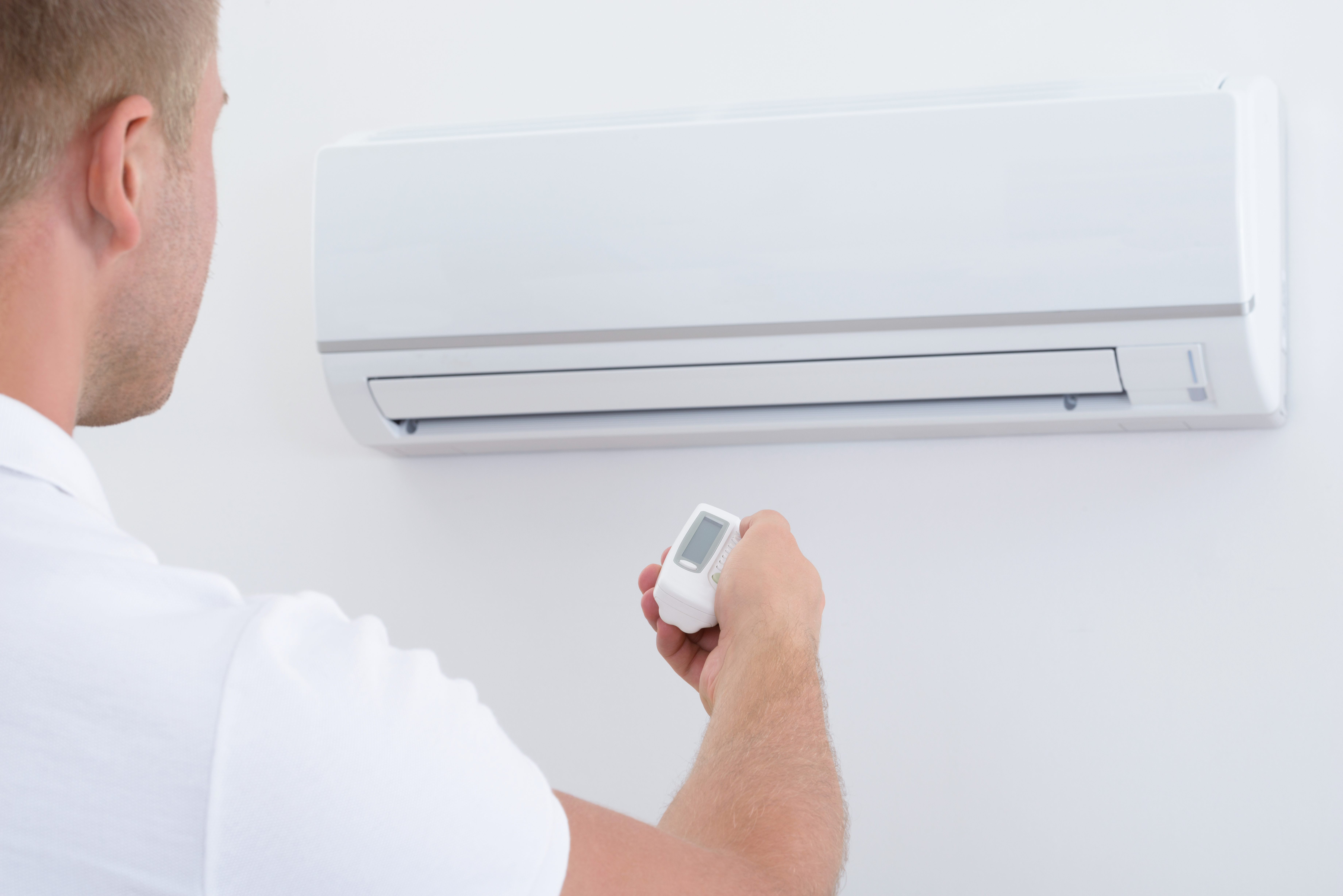
Whats Right for Your Home? Reverse Cycle Air Conditioning Reverse cycle air conditioning is a system that uses a refrigeration cycle to cool or heat the air. It works by taking the warm air from inside your home and passing it over a cold coil, which removes the heat from the air. The cooled air is then recirculated back into your home through a ducted system. In winter, the process is reversed, and the system heats the air.

Pros

  • Energy efficient and cost-effective, as it can both heat and cool your home with one system
  • Effective in both dry and humid climates
  • Can filter and purify the air as it circulates Cons

  • Can be expensive to install
  • Requires regular maintenance to keep the system functioning at its best Evaporative Cooling Evaporative cooling works by drawing in hot, dry air from outside and passing it through a wet filter. This causes the water to evaporate, which cools the air. The cool air is then blown into your home through a ducted system. Pros
  • Energy-efficient, using less energy than reverse cycle air conditioning
  • Effective in dry climates, as it adds moisture to the air
  • Can be cheaper to run than air conditioning Cons

  • Less effective in humid climates
  • Not as effective in cooling large spaces
  • Requires regular maintenance to prevent bacteria growth in the filter Which One Should You Choose? The choice between reverse cycle air conditioning and evaporative cooling ultimately comes down to your personal preferences and needs. If you live in a dry climate and want a cost-effective, energy-efficient option, evaporative cooling may be the better choice for you.
  • However, if you want a system that can both heat and cool your home, is effective in both dry and humid climates, and can filter and purify the air, then reverse cycle air conditioning may be the better choice. In conclusion, both reverse cycle air conditioning and evaporative cooling have their pros and cons. It's important to consider your climate, budget, and personal preferences when making your decision. Ultimately, choosing the right cooling system for your home can help keep you comfortable and save you money in the long run. FAQs

  • Is evaporative cooling cheaper than air conditioning? Evaporative cooling can be cheaper to run than air conditioning, but it depends on your climate and usage.
  • Can reverse cycle air conditioning be used for heating and cooling? Yes, reverse cycle air conditioning can both heat and cool your home.
  • Is evaporative cooling effective in humid climates? Evaporative cooling is less effective in humid climates, as it adds moisture to the air.
  • Which system is more energy-efficient? Both reverse cycle air conditioning and evaporative cooling can be energy-efficient, but it depends on the specific system and usage.
  • How often does the filter in an evaporative cooling system need to be replaced? The filter in an evaporative cooling system should be replaced every 1-2 years, depending on usage and maintenance. Reverse cycle vs evaporative? So many options out there!
  • Frequently Asked Questions

    Is reverse cycle or evaporative cooling better for Adelaide's climate?

    The article suggests reverse cycle is effective in both dry and humid climates, while evaporative cooling is more effective in dry climates. Adelaide generally has hot, dry summers, but can also experience periods of humidity, so both could be suitable depending on personal preference and specific microclimate.

    What are the main cost considerations when choosing between reverse cycle and evaporative cooling in Adelaide?

    Reverse cycle systems can be more expensive to install, but can both heat and cool your home with one system. Evaporative cooling can be cheaper to run than air conditioning.

    Does the article mention anything about air quality benefits related to these systems in Adelaide?

    Yes, the article mentions that reverse cycle air conditioning can filter and purify the air as it circulates.


    Share this article

    Need Expert Building Advice?

    BuildPilot provides independent guidance throughout your entire building journey in Adelaide and South Australia.

    Get in Touch

    Cookies on. Learn more