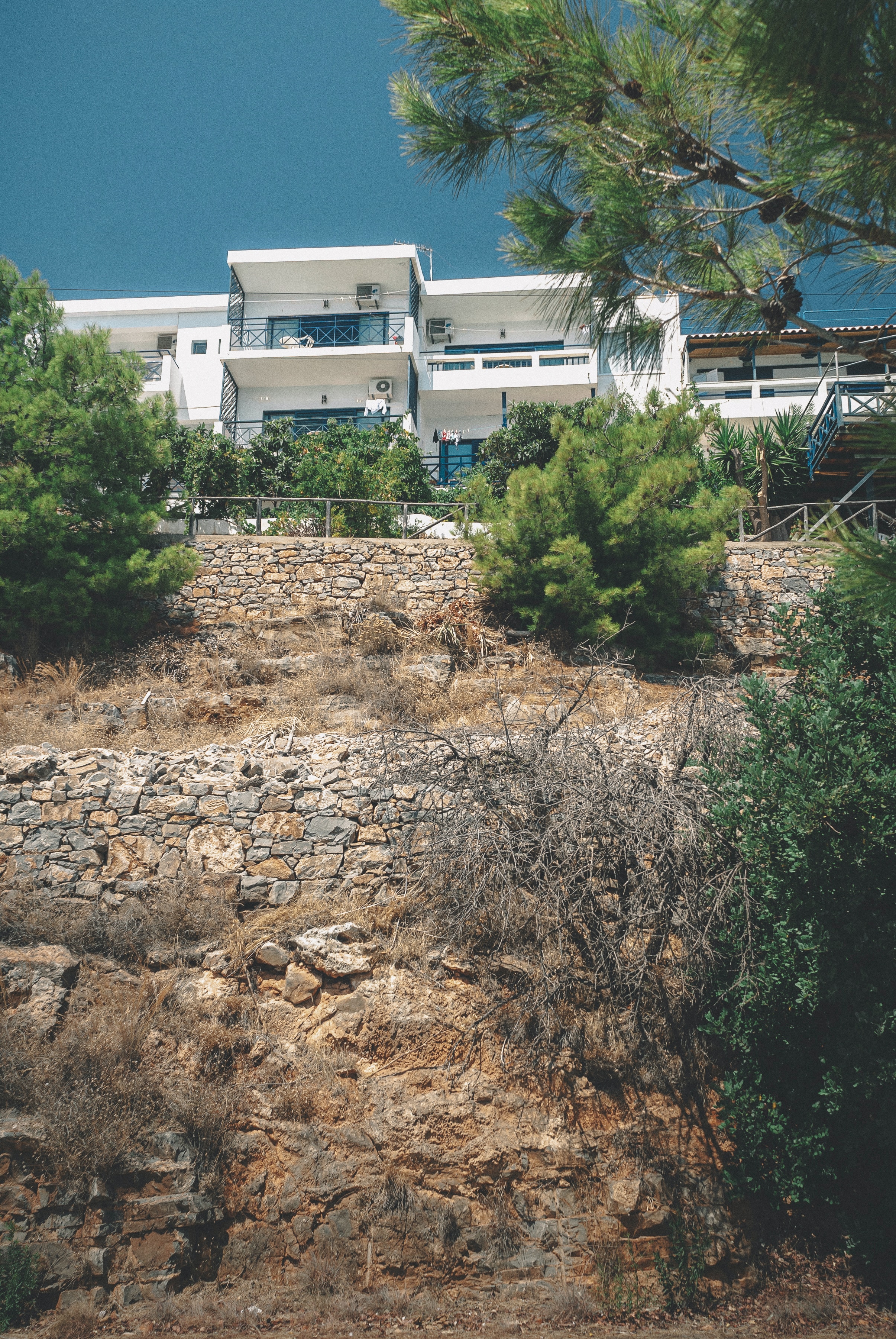


Building a home on a sloping site can be a challenging and complex task. Sloped sites require careful consideration of the ground conditions, proper planning, and specific design compliance to ensure stability, functionality, and cost-effectiveness. Unfortunately, not every home builder has the expertise and capability to deal with sloping sites, leading to potential troubles and impracticality down the track. In this article, we will explore the key considerations and strategies for building on sloping or elevated building sites to help you make an informed decision and avoid costly mistakes. Understanding Sloping Sites:
Ground Conditions and Implications Before embarking on a building project on a sloping site, it is crucial to understand the ground conditions and their implications. Sloped sites can vary in their slope angle, direction, soil type, rock formations, water table, and vegetation, among other factors, which can affect the stability, drainage, excavation, and erosion of the site.
Without proper planning and execution, building on a sloping site can cause significant problems for homeowners down the track, such as foundation failure, water damage, soil movement, and vegetation overgrowth . Key Considerations for Building on Sloping Sites Building on a sloping site requires specific considerations and strategies to ensure stability, functionality, and cost-effectiveness.
Here are some of the critical factors to keep in mind when building on a sloping site: 1. Site Analysis and Design Compliance Before starting any construction work on a sloping site, it is essential to conduct a thorough site analysis and design compliance review to identify the ground conditions and comply with the building codes and regulations. This includes assessing the slope angle, direction, and topography of the site, as well as the soil type, rock formations, and water table. It also involves designing the foundation, drainage, and retaining walls to ensure stability and prevent erosion and water damage . 2. Excavation and Earthworks Excavation is a significant expense when building on a sloping site, as excessive excavation can cause instability and erosion. To minimise excavation costs and maintain stability, it is crucial to plan the site layout and design the retaining walls, cut, and fill to avoid excessive slope modifications and soil movement. It is also essential to consider the drainage and erosion control measures to prevent water damage and sediment runoff . 3. Access and Utilities Sloping sites can pose challenges for access and utilities, such as road access, driveway design, and service connections. It is essential to plan the access and utilities to ensure safety, functionality, and compliance with the local regulations. This includes designing the driveway, retaining walls, and steps to provide safe and comfortable access to the site, as well as locating the service connections and utilities to ensure convenient and cost-effective usage . 4. Design and Construction Techniques Designing and constructing a home on a sloping site requires specific techniques and considerations to ensure stability, functionality, and aesthetics. This includes using split-level designs, terracing, and stepped foundations to accommodate the slope and maximise the views and natural light.
Frequently Asked Questions
What are some potential problems that can arise from building on a sloping site without proper planning and execution?
Foundation failure, water damage, soil movement, and vegetation overgrowth are potential problems that can occur when building on a sloping site without proper planning.
What are some factors that can affect the stability, drainage, excavation, and erosion of a sloping site?
Slope angle, direction, soil type, rock formations, water table, and vegetation can all affect the stability, drainage, excavation, and erosion of a sloping site.
Why is it important to understand the ground conditions before building on a sloping site?
Understanding the ground conditions is crucial because it affects the stability, drainage, excavation, and erosion of the site, and helps avoid potential problems like foundation failure or water damage.