Interwar: Bungalow & Art Deco
The homes built between the wars, roughly 1915 to 1940. Two very different looks sit side by side: the low, solid California Bungalow with its tapered porch piers, and the rendered, geometric glamour of Art Deco and streamline moderne.

Interwar homes (about 1915 to 1940) cover two distinct styles common across South Australia and Victoria. The California Bungalow is low and grounded: a broad gabled roof, tapered brick or rendered porch piers, exposed rafters and a deep front porch. Art Deco (and its streamline moderne cousin) is the opposite, rendered walls, geometric or curved forms, horizontal banding and glass-brick, the look of 1930s cinemas and apartment blocks. Both are hard to buy new, so the designs below are the closest current interpretations.
What defines the Interwar: Bungalow & Art Deco style
California Bungalow: the low gabled form
A broad, low-pitched gable facing the street, deep eaves with exposed rafter tails, and a solid, grounded silhouette. The opposite of the vertical Victorian terrace.
Tapered porch piers and a deep porch
Heavy, tapered (battered) brick or rendered porch piers supporting a generous front porch, often with shingled or roughcast gable ends above.
Art Deco: rendered, geometric, streamlined
Smooth rendered walls, strong geometric or curved corners, horizontal speed-lines, stepped parapets and a flat or concealed roof, the glamour end of the interwar years.
Feature glazing and glass brick
Steel-framed or multi-pane feature windows, curved corner windows on Deco homes, leadlight on bungalows, and glass-brick panels flanking the entry.
Brick, render and terracotta
Clinker or tapestry brick on bungalows, smooth painted render on Deco homes, and terracotta or tiled roofs where the roof is visible at all.
A restrained, warm interior
Picture rails and simpler plaster than the Victorian era, timber floors, built-in cabinetry, and warm earthy or jewel tones. Deco interiors add mirror, chrome and bold geometry.
Reading the Interwar: Bungalow & Art Deco facade
An interwar facade reads either as a low, solid California Bungalow (broad gable, tapered porch piers, deep eaves) or as rendered Art Deco (geometric or curved, horizontal lines, stepped parapet). Volume builders rarely offer either faithfully, so the designs below are the closest current interpretations, classic brick and rendered elevations with solid proportions and traditional detailing.
Interwar: Bungalow & Art Deco designs on BuildPilot
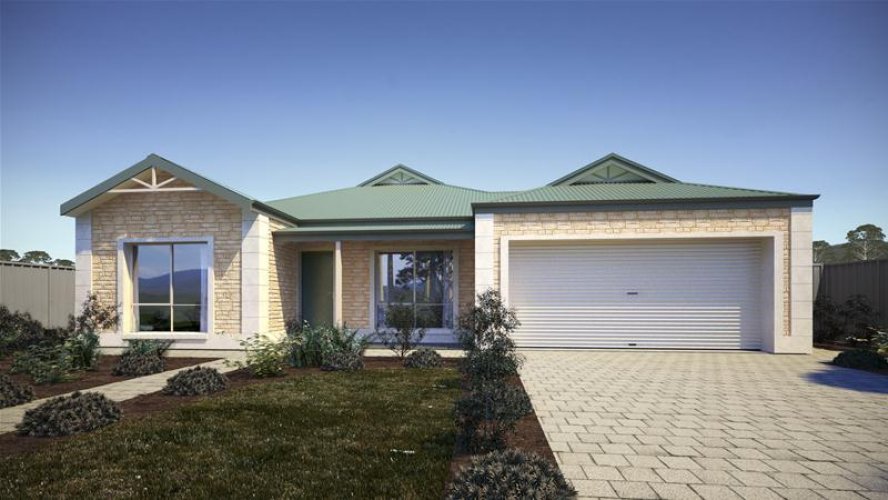
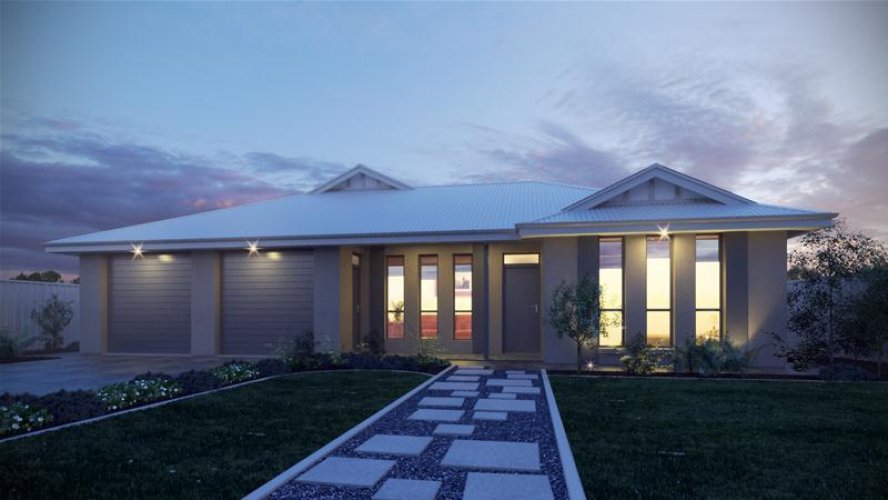
The new-build designs on our platform that read closest to the interwar look, grounded brick and rendered facades with classic proportions. Tap any plan to see the full facade and floor plan.


Furnish it in the interwar style
Interwar rooms reward period detail, a tiled or rendered fireplace, three-quarter or lever tapware, and warm brass or chrome hardware, alongside bold geometry for the Deco end. Schots Home Emporium is the partner BuildPilot links to for the period pieces. You buy direct at their price; we may earn a commission at no extra cost to you.
Sponsored · why?
Styling the interior
For a bungalow, keep it warm and grounded: timber floors, built-in cabinetry, a tiled fireplace, and earthy greens, ochres and deep reds. For Art Deco, lean into glamour, geometric rugs, mirrored and chrome accents, bold two-tone schemes and statement lighting. Both suit strong, simple joinery over fussy ornament.
About the Interwar: Bungalow & Art Deco style in SA & VIC
The interwar years gave South Australia and Victoria two of their best-loved period styles. The California Bungalow spread through 1920s suburbs, Colonel Light Gardens in Adelaide is a whole garden-suburb of them, with its low broad gables, tapered porch piers, clinker brick and deep shady porches. By the 1930s the Art Deco and streamline moderne look brought rendered walls, curved corners, horizontal banding and glass brick to homes, apartments and shopfronts alike. Both are grounded, solid and warm rather than ornate, and both are difficult to buy new because volume builders don't carry them. If you own one, the project is usually a sympathetic restoration that keeps the brickwork, leadlight and porch intact while modernising services and the rear. If you are building new and love the era, a classic brick or rendered elevation with solid proportions is the closest honest interpretation, and the designs on this page are a starting point. Furnishing leans on period fireplaces, warm earthy or jewel tones and strong simple joinery, with mirror, chrome and bold geometry for the Deco end.
FAQs
Related BuildPilot guides
We use cookies to improve your experience. Cookies on. Learn more