Damp Proof Course (DPC)

By George Giannakakis · B.Arch.Studies · M.Arch (UniSA) · RLA300580
Last reviewed: · How we research
Damp Proof Course (DPC) explained in detail
DPC is a barrier in a building's construction designed to prevent the passage of moisture from the ground into the building's interior. These are typically made of plastic, bitumen, or other waterproof materials and placed in the masonry or foundation of a building. The purpose of a DPC is to protect the building from damage caused by rising dampness, which can lead to mould, rot, and other issues.
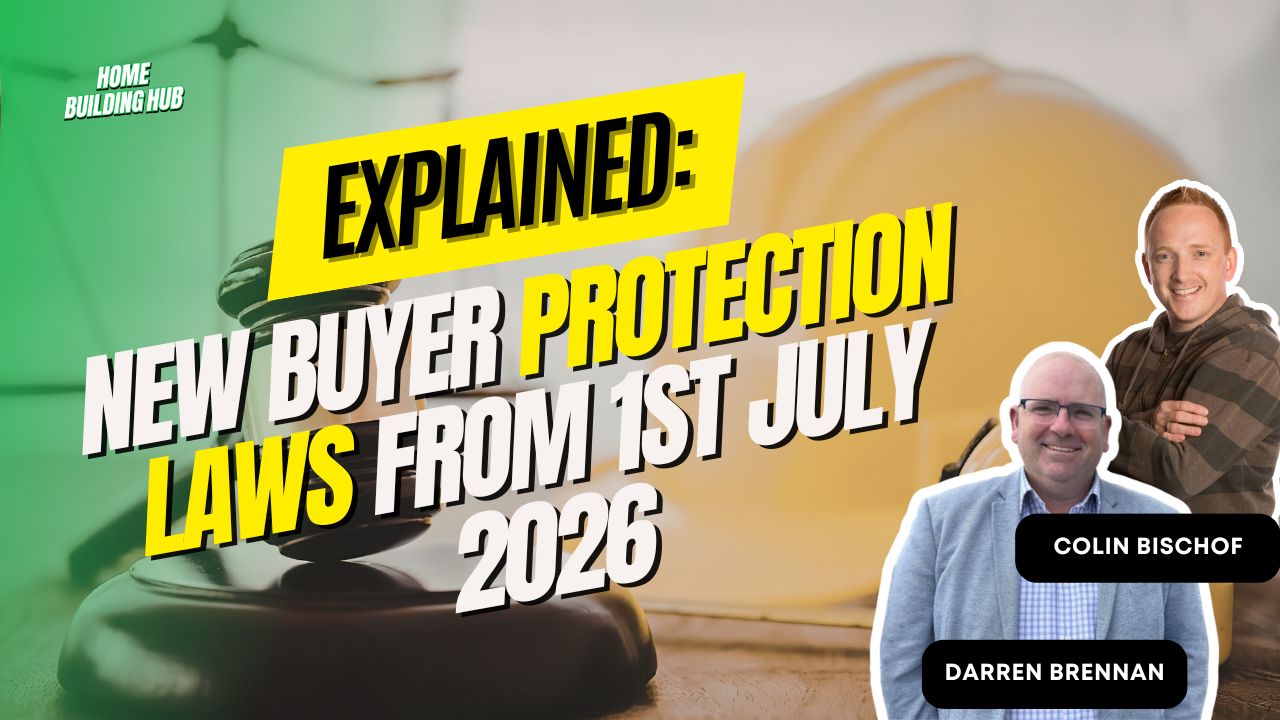

Victoria's new Buyer Protection Laws take effect from 1 July 2026 and represent the biggest overhaul of consumer protection in the building industry in years. We unpack the key changes, including First Resort Home Warranty, Rectification Orders and the controversial new insurance timing requirements, while exploring the real-world impact on both home buyers and builders.
Watch full episodeRelated Terms
Frequently Asked Questions
Common questions about damp proof course (dpc)
A Damp Proof Course (DPC) is a horizontal barrier built into the walls of a home, usually at or near ground level, to prevent moisture from the ground rising up through the masonry (known as 'rising damp'). It's typically made from polyethylene sheeting, bituminous felt, or engineered membranes and is a requirement under the National Construction Code for all new Australian homes.
More Terms in Building Elements
Verify against the binding rules in your state
BuildPilot is an independent Australian building platform, we publish guidance, we don't hold a building licence. Every Australian residential build must comply with the National Construction Code plus state-specific Acts and consumer-protection law. The authorities below are the primary sources of truth for the rules that actually apply to your project.
National
The primary national set of technical building standards that every Australian build must comply with. Volume 2 covers Class 1 & 10 buildings (most homes).
Specific material, product and method standards (e.g. AS 3700 masonry, AS 1684 timber framing) referenced by the NCC.
National peak body for residential builders. Publishes the most widely used home-building contracts and consumer guidance.
National peak body for general builders. Publishes commercial and residential contracts and industry guidance.
By state & territory
Links above open the public website of each authority. BuildPilot is not affiliated with these bodies and does not act on their behalf. Information on this page is general - check the current edition of the NCC and the relevant state Act for binding requirements.
We use cookies to improve your experience. Cookies on. Learn more