How to Clean Tile, Timber & Vinyl Floors
The right method for each hard floor — tiles, timber, vinyl and laminate — plus what to avoid and whether a cordless floor cleaner beats a mop and bucket.

The right method for each hard floor — tiles, timber, vinyl and laminate — plus what to avoid and whether a cordless floor cleaner beats a mop and bucket.
The 8-step framework
- STEP 1
Know your floor before you pick a method
Sealed porcelain and ceramic tiles are the most forgiving — they tolerate water and most cleaners. Timber and engineered timber hate standing water and harsh chemicals, so they need a barely-damp mop and a timber-safe cleaner. Vinyl and laminate are water-resistant on the surface but swell if water sits in the joins, so they also want a damp-not-wet approach. Natural stone (marble, travertine) is acid-sensitive and needs a pH-neutral cleaner. Identify the floor first; the method follows from it.
- STEP 2
Cleaning tiles
Sweep or vacuum first, then mop with warm water and a mild pH-neutral cleaner. Tiles can take more water than any other hard floor, but the grout is the weak point — it is porous, stains easily and goes grey. Use a soft brush on grout lines periodically and avoid oil-based or wax cleaners that leave a film. Dry high-traffic areas to stop watermarks on dark or polished tiles.
- STEP 3
Cleaning timber & engineered boards
Never flood timber. Vacuum or dust-mop to lift grit (the main cause of scratches), then clean with a well-wrung microfibre mop and a cleaner made for timber floors — no vinegar, no steam, no excess water, all of which dull or lift the finish over time. Wipe spills straight away. For a one-pass clean that lays down only a thin film of water and dries quickly, a cordless hard-floor cleaner is far gentler on boards than a sloppy bucket-and-mop.
- STEP 4
Cleaning vinyl & laminate
Vinyl plank and laminate clean up easily but the enemy is water in the seams. Sweep or vacuum, then use a damp (not wet) microfibre mop with a gentle cleaner. Skip steam mops on laminate — the heat and moisture can swell the core and lift edges. Avoid abrasive pads and heavy-duty degreasers that strip the wear layer. A quick, low-moisture wet-and-dry clean suits these floors well.
- STEP 5
Damp, not wet — and always dust first
The single biggest mistake on any hard floor is too much water. A dripping mop pushes dirty water into joins and leaves streaks; a well-wrung or low-flow tool cleans better and dries faster. And always remove grit before you mop — dragging sand and crumbs around is what scratches timber and dulls vinyl. Dust-mop or vacuum, then clean.
- STEP 6
What to avoid
Avoid oil soaps and wax on tiles and laminate (they build up a dull film), vinegar and steam on timber and laminate, abrasive scourers on vinyl, and acidic cleaners on natural stone. Also avoid super-concentrated cleaners used neat — too much product leaves residue that attracts dirt. When in doubt, a pH-neutral cleaner diluted as directed is safe on almost everything.
- STEP 7
Bucket-and-mop vs cordless floor cleaner
A traditional mop and bucket is cheap but you end up mopping with increasingly dirty water, and it leaves floors wet. A cordless hard-floor cleaner washes and dries in one pass and keeps clean and dirty water separate, so you are never spreading grime — a big upside for timber and vinyl where fast drying matters. A robot vacuum/mop handles light daily upkeep; a dedicated floor cleaner handles the real wash.
- STEP 8
Set a simple routine
Dust-mop or vacuum high-traffic paths every few days, do a proper damp clean weekly, and spot-clean spills immediately. Put mats at external doors to catch grit, use felt pads under furniture, and keep grout and seams in good order. A light, regular routine beats occasional deep scrubs and keeps every floor type looking new for longer.
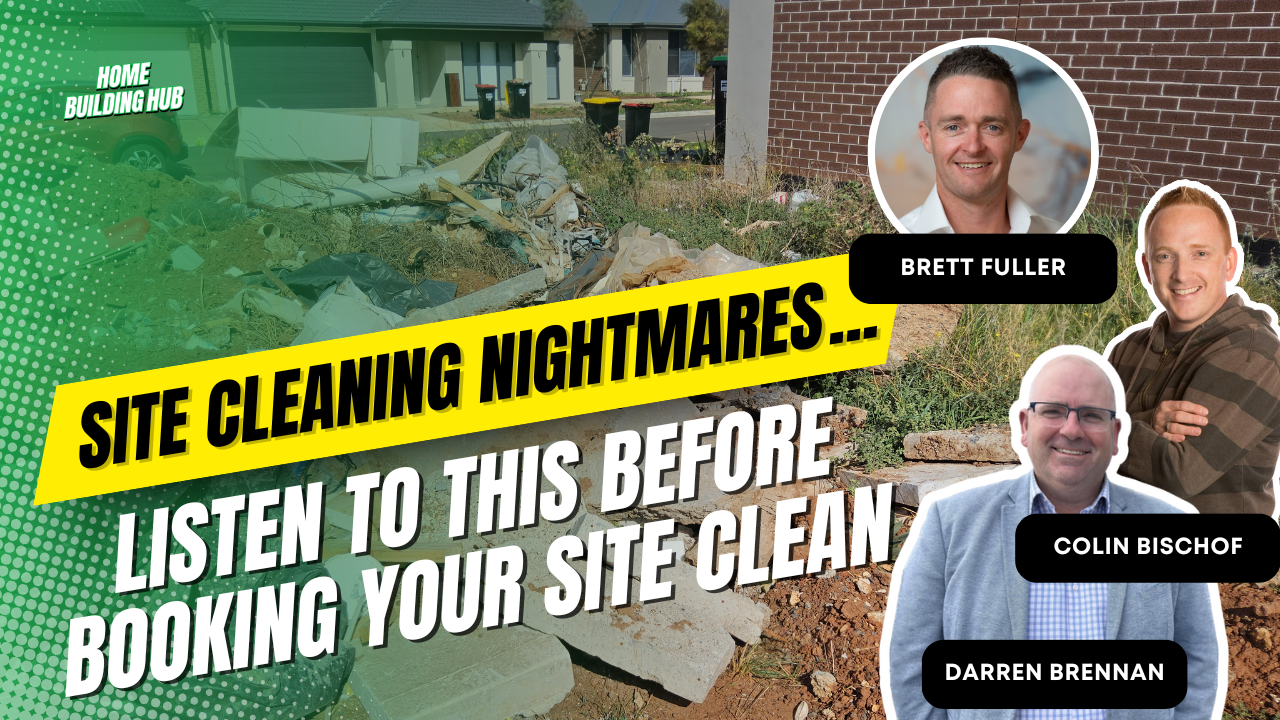

Clearing your block isn't as simple as it seems! Brett from Clear My Block joins us to reveal common mistakes, the dangers of contamination, and essential tips to keep your site clean and build-ready. Don't book your site clean until you hear this!
Watch full episodeFAQs
Related BuildPilot guides
- Home Security Cameras GuideWired vs wireless cameras and video doorbells for a new or renovated home.
- Renovation Finishing TouchesThe finishing layer on a kitchen or bathroom reno.
- Home Cleaning & Move-InGetting a new or freshly renovated home clean and move-in ready.
- Complete Guide to Building in AdelaideThe full cornerstone guide for new home builds in Adelaide.
- Browse all BuildPilot guides
Found this useful? Make BuildPilot a preferred source so our guides show up more often in your Google feed.

Keeping hard floors spotless
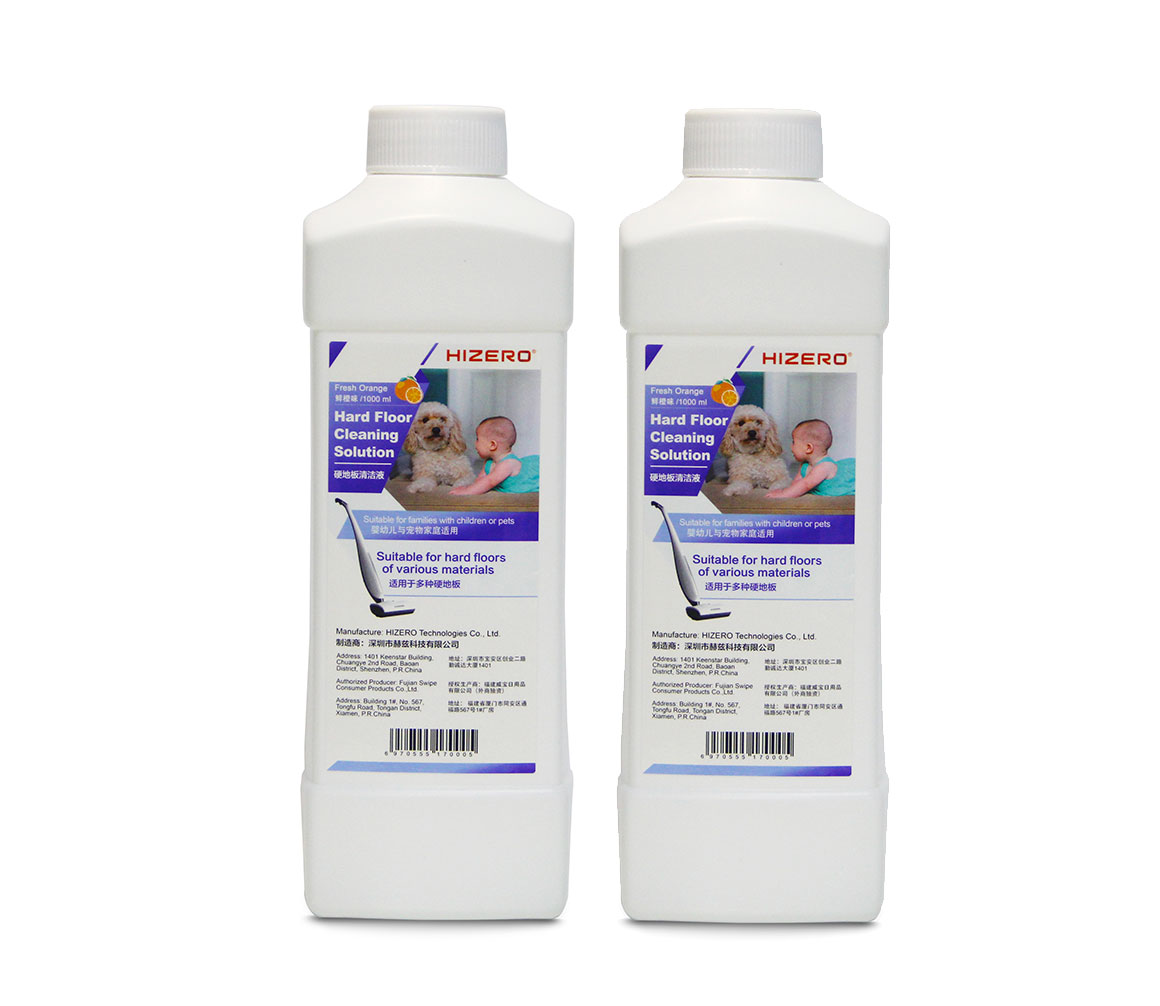
We've matched a Hizero bionic floor cleaner with the consumables that keep it running — a cleaning roller and anti-bacterial solution. Tap Swap to try a different piece; you buy each one direct from Hizero.
Matched set from
$648
Floor cleaner

Hard Floor Cleaners
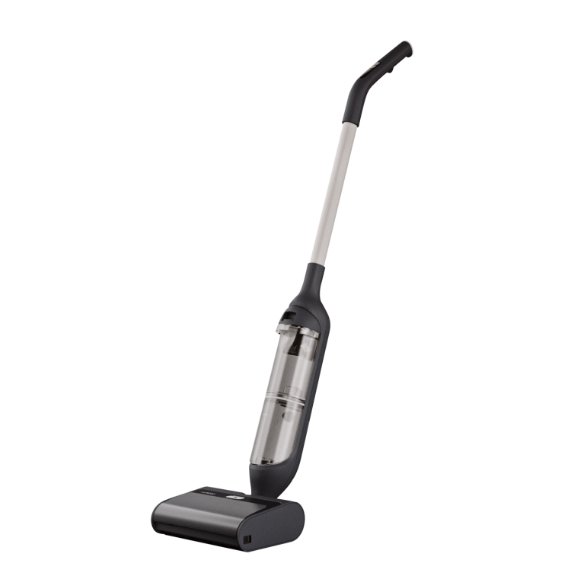
HIZERO F300 Cordless Hard Floor Cleaner
from Hizero
Cleaning roller & filter
Accessories
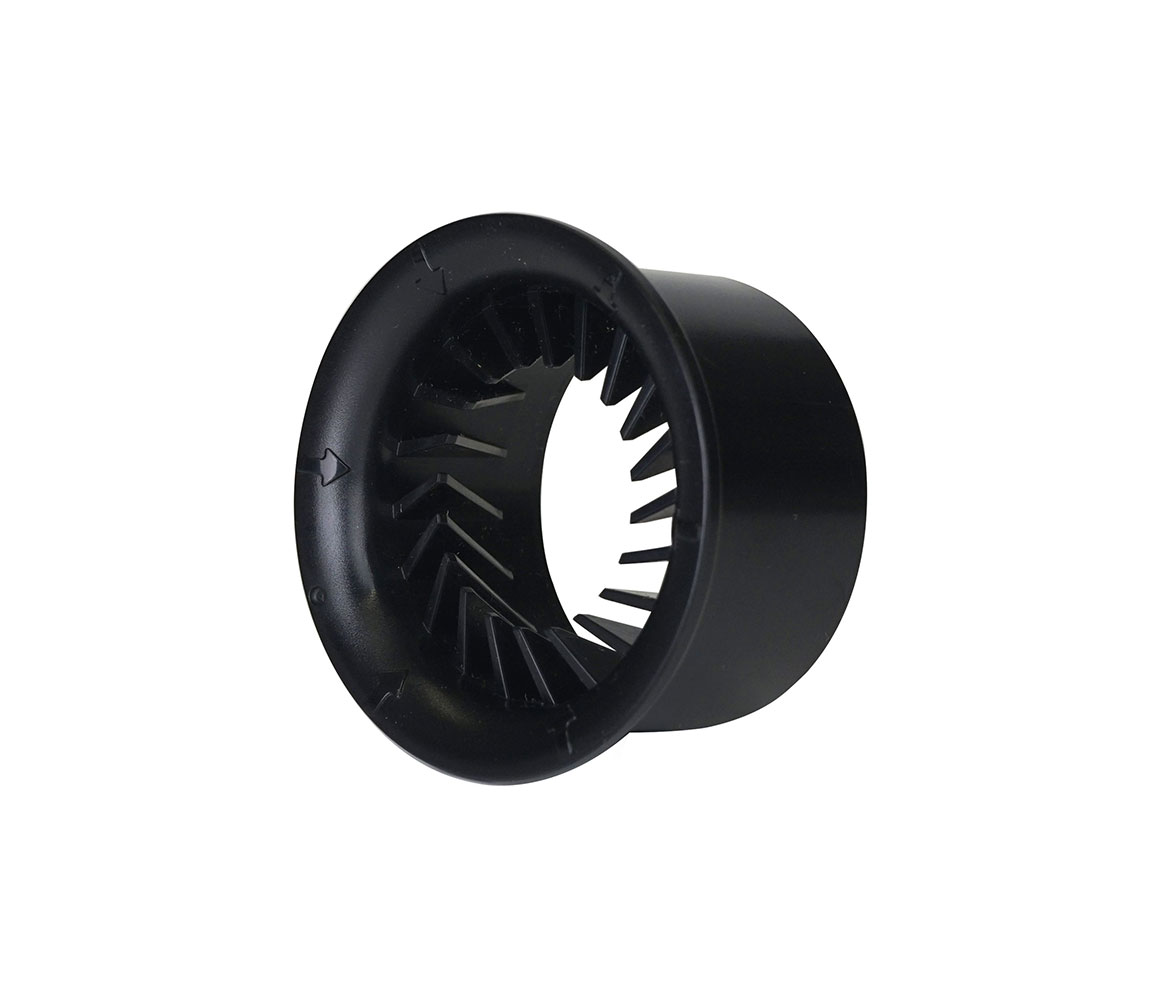
Brush Roller Hair Remover
from Hizero
Tap Swap to match a different piece. BuildPilot may earn a commission if you buy from a matched retailer — it never changes what we match you with.
We use cookies to improve your experience. Cookies on. Learn more