Robot Vacuum Buying Guide

Robot Vacuum Buying Guide for a New Home

Your guide to robot vacuum buying guide for a new home - building guidance for Adelaide and South Australia.

BPBuildPilot Editorial4 min readLast updated Feb 2026
Call us now

Content scope

This guide has been reviewed for South Australia (Adelaide metro + regional SA). Building licensing, warranty, stamp duty and approval rules differ in other Australian states — verify against your local authority before acting.

A robot vacuum is one of the most useful things to set up in a new home, where fine construction dust keeps surfacing for weeks and open-plan floors show every speck. But the features range from genuinely useful to marketing fluff, and the price gap between models is huge. This guide cuts through it: what actually matters when choosing a robot vacuum for an Australian home, which features are worth paying for, and realistic price bands. It is written for a new-build floor plan with hard floors, rugs and the odd threshold.

At a glance

Entry-level robot vacuum

$200 to $500

Small homes with mostly hard floors on a budget

Mid-range with mapping

$500 to $1,000

Most new homes wanting reliable daily cleaning

Self-emptying flagship

$1,000 to $2,000

Larger hard-floor homes wanting the least effort

Read time

4 min

Including FAQ and supplier shortlist.

Key takeaways

  • Match suction to your floors: hard floors need less than carpet
  • A self-emptying base is the upgrade most owners say is worth it
  • Good mopping scrubs and self-cleans; basic mopping just drags a damp pad
  • The $500 to $1,000 band covers what most new homes actually use

Things to consider before you choose

Plain practical advice for Australian builds. No fluff.

Suction and floor type

Suction, measured in Pa, matters most if you have carpet or rugs; for hard floors even mid-range suction lifts dust and hair well. A new home with tiles, timber-look flooring and a couple of rugs does not need the highest suction on the market, but low-end units struggle on carpet and thresholds.


Self-emptying base

A self-emptying dock is the single feature that changes how often you think about the vacuum. Instead of emptying a small bin after most runs, the robot returns to a base that stores weeks of debris in a bag. For a new home with ongoing dust, it is the upgrade most owners say is worth it.

Mopping: useful or gimmick

Basic mopping that drags a damp pad is fine for a light wipe but does not scrub. Higher-end models lift the mop over carpet, wash and dry the pads at the dock, and apply real pressure. If you have mostly hard floors, good mopping is genuinely useful; on a carpeted home it matters far less.

Navigation and mapping

Lidar or camera mapping lets the robot clean in efficient rows, remember multiple rooms and avoid obstacles, which suits an open-plan new home. Cheaper bump-and-turn navigation misses spots and takes longer. Multi-level mapping helps if you have a double-storey and carry the unit upstairs.

App, scheduling and zones

A good app lets you schedule a daily run while you are out, set no-go zones around pet bowls or cables, and clean a single room on demand. These are the features you will actually use day to day in a new home, more than raw specs.

Keep the floors clear

Any robot vacuum works best on clear floors, so it suits the move-in period when you want the dust handled but are still unpacking. Cable clips, raised pet bowls and tidy rugs make a big difference to how well it runs and how rarely it gets stuck.

“A self-emptying base is the upgrade most owners say is worth it”
George Giannakakis

George Giannakakis

Founder

Types of robot vacuum buying guide for a new home

Quick compare

Entry-level robot vacuumMid-range with mappingSelf-emptying flagship
Typical cost$200 to $500$500 to $1,000$1,000 to $2,000
Best forSmall homes with mostly hard floors on a budgetMost new homes wanting reliable daily cleaningLarger hard-floor homes wanting the least effort

Entry-level robot vacuum

Basic vacuuming with simple navigation and a small onboard bin.

Typical cost: $200 to $500

Pros

  • • Affordable
  • • Fine for hard floors
  • • Set-and-forget basic runs

Cons

  • • Bump navigation misses spots
  • • Frequent bin emptying
  • • Weak on carpet

Best for: Small homes with mostly hard floors on a budget

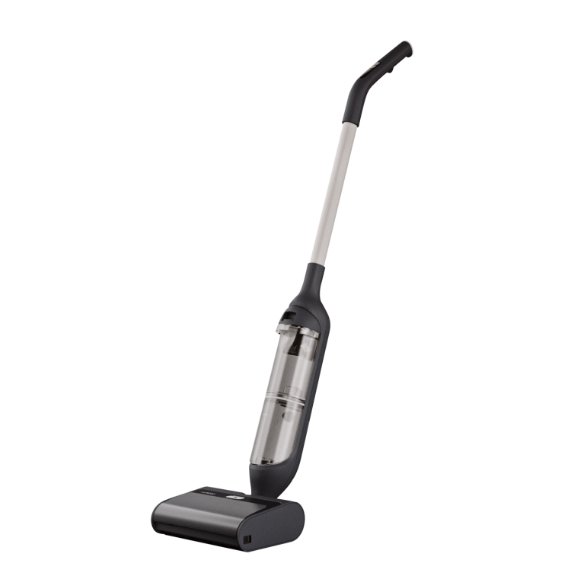
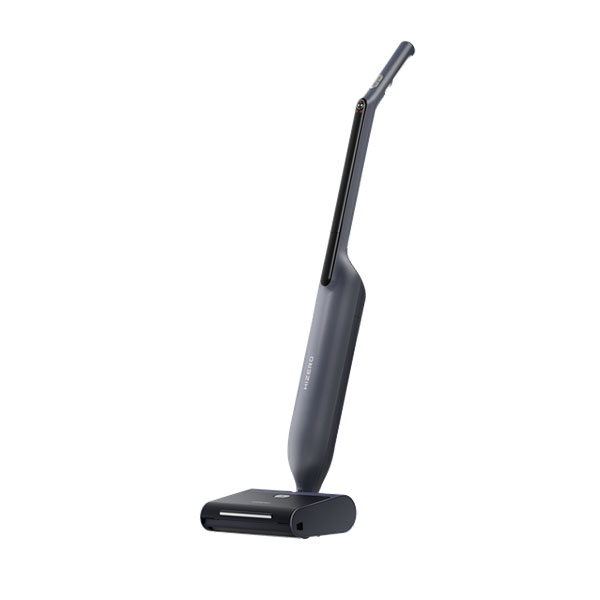
View the DEEBOT N20· from $359Ad

Mid-range with mapping

Lidar or camera mapping, stronger suction and app zones.

Typical cost: $500 to $1,000

Pros

  • • Cleans in efficient rows
  • • Remembers rooms and no-go zones
  • • Good all-round

Cons

  • • Still empties a small bin
  • • Mopping is basic

Best for: Most new homes wanting reliable daily cleaning

View the DEEBOT N20 PLUS· from $539Ad

Self-emptying flagship

Self-emptying dock, high suction and advanced mop washing and drying.

Typical cost: $1,000 to $2,000

Pros

  • • Weeks between emptying
  • • Real mopping that scrubs
  • • Best navigation

Cons

  • • Expensive
  • • Dock takes floor space
  • • Consumables add up

Best for: Larger hard-floor homes wanting the least effort

View the DEEBOT T30S PRO· from $799Ad

How much does it cost in Australia?

Robot vacuums span $200 to $2,000 in Australia. Entry-level units at $200 to $500 vacuum hard floors fine but use simple navigation and need frequent emptying. The sweet spot for most new homes is $500 to $1,000, which buys lidar or camera mapping, stronger suction, app zones and scheduling, so it cleans efficiently and remembers your rooms. Self-emptying flagships at $1,000 to $2,000 add a dock that stores weeks of debris, high suction and mopping that actually scrubs and self-cleans, which is the least-effort option for a larger hard-floor home. Buying direct from the maker often includes the self-emptying dock and spare consumables in the price, so compare the full bundle rather than the headline figure, and factor in replacement bags, filters and brushes over time.

Common mistakes to avoid

  • Paying flagship money for high suction you do not need on mostly hard floors
  • Skipping a self-emptying base, then emptying a tiny bin after every run
  • Expecting basic drag-pad mopping to scrub floors like a real mop
  • Buying a bump-navigation unit for an open-plan home where it misses spots
  • Not setting no-go zones, so it tangles on cables or pet bowls
ECOVACS

Sponsored · why?

Handy gear for this project

If you're tackling parts of this yourself, here's the practical gear owners reach for. You buy direct from the supplier at their price.

Some links here are affiliate links. BuildPilot may earn a small commission if you buy through them, at no extra cost to you. It never changes what you pay, and you always purchase directly from the retailer. Learn more.

Trades who work with robot vacuum buying guide for a new home

Popular questions

Was this guide helpful?

Not sure where to start?

Answer a few quick questions and BuildPilot CoPilot will shortlist suppliers and trades matched to your build, your suburb and your budget.

Suppliers we trust for robot vacuum buying guide

Vetted Australian businesses worth asking your builder about, plus the online Suppliers we recommend buying from direct.

BuildPilot may earn a fee or commission if you engage or buy from one of these businesses. It never changes who we recommend. How we get paid →

Cookies on. Learn more