Managing Construction Dust

Managing Construction Dust After Handover

Your guide to managing construction dust after handover - building guidance for Adelaide and South Australia.

BPBuildPilot Editorial4 min readLast updated Feb 2026
Call us now

Content scope

This guide has been reviewed for South Australia (Adelaide metro + regional SA). Building licensing, warranty, stamp duty and approval rules differ in other Australian states — verify against your local authority before acting.

Many new homeowners are surprised that no matter how well they clean before moving in, a fine film of dust keeps reappearing for weeks. It settles on skirtings, resurfaces in carpet and drifts out of cavities and vents long after handover. This guide explains why construction dust lingers, how to get on top of it room by room, and the low-effort ways to keep floors clean while the house settles. It is written for a typical Australian new build in its first month or two.

At a glance

Manual vacuuming (sealed…

$150 to $800

The thorough first weeks of dust removal

Robot vacuum (daily,…

$400 to $2,000

Staying ahead of resurfacing dust day to day

Filter and vent maintenance

$20 to $100

Homes with ducted or split systems

Read time

4 min

Including FAQ and supplier shortlist.

Key takeaways

  • Construction dust resurfaces for roughly four to eight weeks as cavities and carpet shed it
  • Vacuum with a sealed unit rather than sweeping, which just redistributes dust
  • Clean or replace HVAC filters early so the system does not recirculate dust
  • A daily robot vacuum is the lowest-effort way to hold the floors while you settle in

Things to consider before you choose

Plain practical advice for Australian builds. No fluff.

Why it keeps coming back

Cutting, sanding and drilling during the build create extremely fine dust that works into carpet pile, wall cavities, ceiling spaces, ducting and window tracks. Air movement, foot traffic and the heating or cooling system keep stirring it out for weeks, which is why surfaces you cleaned last week look dusty again.


Vacuum, do not sweep

Sweeping and dry dusting lift fine dust into the air, where it resettles elsewhere. Vacuuming with a sealed unit captures it instead. Go over carpet several times in the first weeks, including edges and under furniture, and vacuum hard floors before mopping so you are not pushing grit around.

Clean the places dust hides

The dust you can see is only part of it. Vacuum inside wardrobes and drawers, along the tops of doors and skirtings, in window and sliding-door tracks, and over vents and exhaust fans. Wiping these with a damp microfibre cloth traps the fine particles rather than spreading them.

Mind the heating and cooling system

Ducted and split systems can circulate construction dust around the house. Check and clean or replace filters early, and wipe vents and return-air grilles. Running the system with a dirty filter just redistributes fine dust through every room, undoing your cleaning.

Protect air quality while you clean

Fine dust is an irritant, especially during the first big clean. Open windows for cross-ventilation, consider a mask for heavy vacuuming, and clean in stages rather than stirring up the whole house at once. Families with asthma or allergies should be extra thorough with carpet and filters.

Automate the ongoing floors

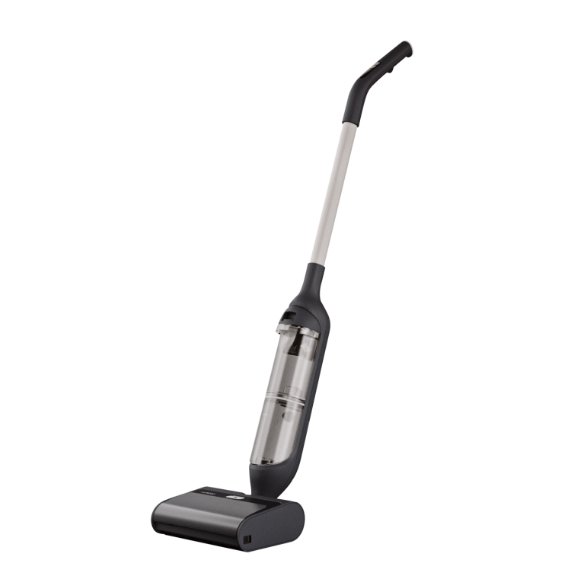
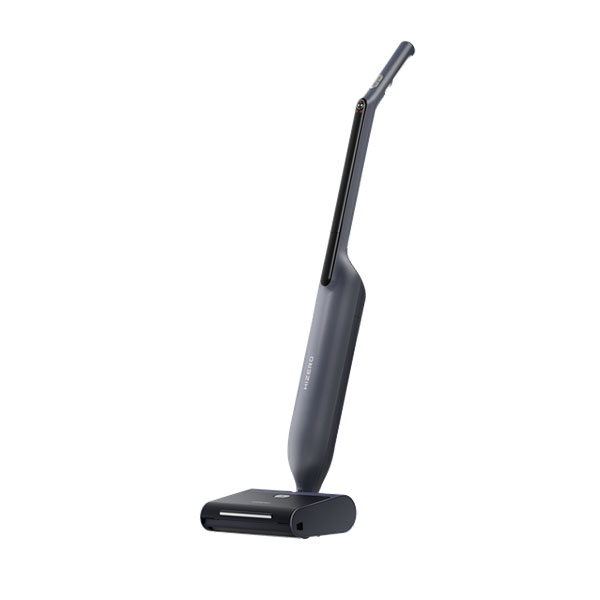
The single lowest-effort way to stay ahead of resurfacing dust is a robot vacuum scheduled to run daily. It covers skirtings, under beds and open floors every day without you lifting a finger, which is exactly what you want in the weeks you are busy unpacking and cannot clean constantly.

“Vacuum with a sealed unit rather than sweeping, which just redistributes dust”
George Giannakakis

George Giannakakis

Founder

Types of managing construction dust after handover

Quick compare

Manual vacuuming (sealed unit)Robot vacuum (daily, automated)Filter and vent maintenance
Typical cost$150 to $800 for a good vacuum$400 to $2,000$20 to $100 in filters
Best forThe thorough first weeks of dust removalStaying ahead of resurfacing dust day to dayHomes with ducted or split systems

Manual vacuuming (sealed unit)

Repeated thorough vacuuming of carpet, floors and hidden spots.

Typical cost: $150 to $800 for a good vacuum

Pros

  • • Captures fine dust
  • • Reaches edges and cavities
  • • No ongoing cost

Cons

  • • Time consuming
  • • Easy to miss a day
  • • Physical

Best for: The thorough first weeks of dust removal

Robot vacuum (daily, automated)

A scheduled robot that keeps floors clear every day.

Typical cost: $400 to $2,000

Pros

  • • Runs daily with no effort
  • • Holds floors while you unpack
  • • Reaches under beds

Cons

  • • Upfront cost
  • • Needs clear floors
  • • Not for deep carpet dust

Best for: Staying ahead of resurfacing dust day to day

Filter and vent maintenance

Cleaning or replacing HVAC filters and wiping vents early.

Typical cost: $20 to $100 in filters

Pros

  • • Stops dust recirculating
  • • Protects air quality
  • • Cheap

Cons

  • • Easy to overlook
  • • Filters need replacing

Best for: Homes with ducted or split systems

How much does it cost in Australia?

Managing construction dust is mostly time rather than money. A good sealed vacuum, if you do not already have one, is $150 to $800, replacement HVAC filters are $20 to $100, and microfibre cloths and a pH-neutral cleaner are $30 to $80. The optional but genuinely useful spend is a robot vacuum at $400 to $2,000 that runs daily so the floors stay clear while you unpack and the dust settles. If you would rather outsource the first deep clean, a professional post-construction clean is $300 to $700. Expect the resurfacing to ease off over roughly four to eight weeks as cavities and carpet shed the last of the fine dust, after which normal cleaning keeps up.

Common mistakes to avoid

  • Sweeping or dry dusting, which lifts fine dust into the air to resettle elsewhere
  • Running the heating or cooling system on a dirty filter and recirculating dust
  • Cleaning only visible surfaces and ignoring tracks, vents, wardrobes and drawers
  • Vacuuming carpet once and expecting the dust to stop resurfacing
  • Stirring up the whole house at once with no ventilation during the first clean
ECOVACS

Sponsored · why?

Handy gear for this project

If you're tackling parts of this yourself, here's the practical gear owners reach for. You buy direct from the supplier at their price.

Some links here are affiliate links. BuildPilot may earn a small commission if you buy through them, at no extra cost to you. It never changes what you pay, and you always purchase directly from the retailer. Learn more.

Trades who work with managing construction dust after handover

Popular questions

Was this guide helpful?

Not sure where to start?

Answer a few quick questions and BuildPilot CoPilot will shortlist suppliers and trades matched to your build, your suburb and your budget.

Suppliers we trust for managing construction dust

Vetted Australian businesses worth asking your builder about, plus the online Suppliers we recommend buying from direct.

BuildPilot may earn a fee or commission if you engage or buy from one of these businesses. It never changes who we recommend. How we get paid →

Cookies on. Learn more