How to hire a private certifier in Adelaide
Private certifiers issue building consent faster than councils in most cases. Here is what a certifier actually does, when to use them vs council, and how their fees and inspection scope actually work.

Private certifiers issue building consent faster than councils in most cases. Here is what a certifier actually does, when to use them vs council, and how their fees and inspection scope actually work.
The 10-step framework
- STEP 1
Understand what a private certifier does
A private certifier is a qualified building surveyor authorised to assess building consent applications, conduct mandatory building inspections, and issue building consent certificates. They perform the same statutory function as council building surveyors, but privately, typically at faster turnaround.
- STEP 2
Confirm accreditation level
Private certifiers in SA are accredited by the Department of Planning and Local Government. Accreditation levels determine what class of building work they can certify. For residential builds (Class 1a and 10a in NCC terminology), most accredited certifiers qualify. Verify their accreditation level covers your project.
- STEP 3
Compare speed vs council
Council building consent assessment typically takes 4 to 8 weeks. Private certifiers typically deliver in 1 to 3 weeks for straightforward applications. For fast-track projects, private certification often saves 3 to 5 weeks of overall timeline. This is the primary reason clients choose private.
- STEP 4
Compare fees vs council
Private certifier fees are typically 20 to 40 percent higher than council fees for equivalent scope. For a typical suburban new home, expect a total certifier fee in the low thousands of dollars including all inspections. Council fees are lower but slower.
- STEP 5
Confirm inspection scope
Building consent involves mandatory inspections at specified stages: footings, framing, and completion. Some higher-risk builds have additional inspections. Confirm the certifier scope covers all mandatory inspections; some quote only the paperwork and charge separately for inspections.
- STEP 6
Discuss the interaction with the builder
A good certifier communicates directly with the builder on site inspections, defect requirements, and completion signoff. Ask how the certifier prefers to work with builders and confirm the communication channel at engagement.
- STEP 7
Verify professional indemnity insurance
Private certifiers are required to hold PI insurance under regulation. Ask for a certificate of currency. PI insurance protects you if a certification error is later identified.
- STEP 8
Understand the certifier independence
A private certifier is not the builder advocate or the client advocate. They are an independent regulatory authority. Their duty is to certify compliance, not to favour either party. If a certifier appears to be favouring the builder, that is a serious professional issue.
- STEP 9
Plan for post-completion certificate
The final certificate (Certificate of Occupancy or equivalent) is issued after the last inspection and any required remedial work. This certificate is essential for insurance, resale, and any future modification approvals. Confirm the certifier issues the final certificate as part of the fee.
- STEP 10
Keep the certifier documentation forever
Building consent documents, inspection reports, and final certificates are essential to keep for the life of the property. Store them in the property document file. Future buyers, insurers, and any subsequent tradespeople will want to see them.
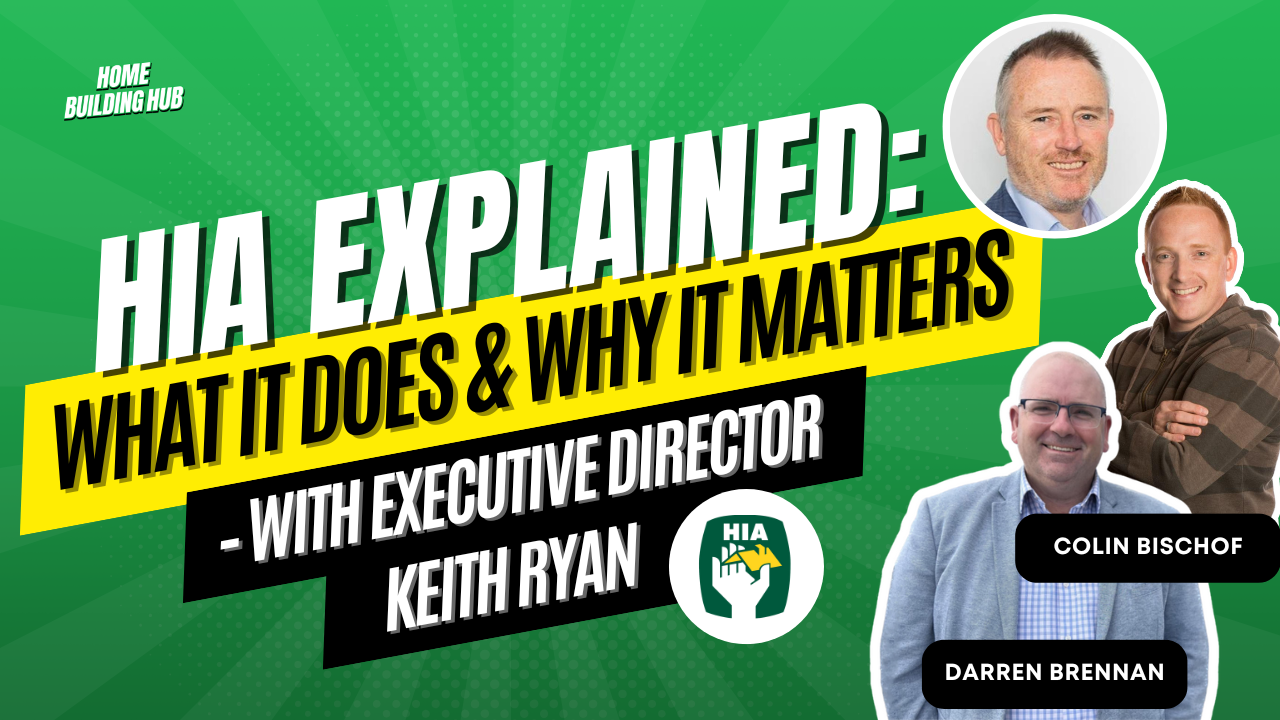

In this must listen episode, we chat with Keith Ryan, Executive Director of HIA Victoria, about the role of the Housing Industry Association (HIA) and how it supports builders and home buyers. We cover common misconceptions, contract pitfalls, consumer protections, upcoming regulation changes, the future of housing in Victoria, and wrap up with Keith’s key advice for home buyers.
Watch full episodeWant this as a printable?
We'll email you the full 10-step framework, formatted for printing and ready to take into your next site visit or quote meeting.
FAQs
Related BuildPilot guides
- Complete Guide to Building in AdelaideThe full cornerstone guide for new home builds in Adelaide.
- Knockdown Rebuild AdelaideCosts, timeline, council approvals and when KDR beats renovating.
- Builder Selection ChecklistScore every builder you shortlist on the same criteria.
- House & Land Packages AdelaideHow H&L packages work in SA and where the hidden costs live.
- Browse all BuildPilot guides
Found this useful? Make BuildPilot a preferred source so our guides show up more often in your Google feed.

We use cookies to improve your experience. Cookies on. Learn more